3: United Kingdom – 10 Greatest Horror Movie Nations on Earth
Welcome to Ranking Horror. We are continuing our feature on The 10 Greatest Horror Nations on Earth. Today, we are checking out number 3 on the list – The United Kingdom.
Table of Contents
This ranking measures horror nations by sustained influence, modern relevance, and impact above expectation, not just historical legacy.
We opened up the top 5 of our Greatest Horror Nations list with Spain and Italy. Believe it, or not, I had a hard time actually deciding how the last few entries should play out. All of the countries we have been looking at have rich horror histories. Some have just been more consistent than others. That leaves me with an awkward dilemma, is history more important than contemporary output?
The United Kingdom’s place at number 3 isn’t about nostalgia or national pride – it’s about consistent, recurring influence across eras. From the silent films that first flirted with horror, to Hammer’s revival of Gothic monsters, the birth of folk horror, the benchmark-setting psychological terror of Peeping Tom, and modern redefining hits like 28 Days Later, Shaun of the Dead, and The Descent, the UK has repeatedly shaped global horror.
When measured by historical impact, modern relevance, consistency, and influence relative to population, few nations rival its contributions – even if others on this list may have shone more brightly in isolated moments or aesthetic mastery.
- Consistency: How consistent has the country been in putting out decent horror movies.
- Historical Impact: How impactful has the country’s horror output been on the industry itself.
- Current Impact: How impactful are the country’s modern releases on the industry
- Impact Above Expected: How impactful has the country been considering their population.
3: The UK – A Historical Horror Heavyweight
The UK over Italy and France in the top 3 greatest horror nations? Is that horror sacrilege? Perhaps but at least allow me to explain my reasoning. I am not doing this out of a sense of loyalty to my home country.
I consider myself Welsh first and foremost, ahead of British. Wales doesn’t exactly put out a ton of horror movies. The reason I placed the UK above Italy, Spain, and France is simple – consistency and a number of redefining horror moments.
I feel as though Hammer Horror and Giallo cancel each other out but allow me to clarify why. Giallo was absolutely a better collection of films with a longer lasting cinematic influence. That’s not remotely in question. If this was one to one, era to era, that debate would be over quickly.
Where it cancels out however, is that Hammer Horror movies revived a completely dead sub-genre of gothic horror and monster movies. That’s an incredible feat. If Hammer Horror didn’t exist, it’s hard to know where the landscape of horror would have been.
Would Giallo even have had a platform? Many of its directors started by copying Hammer’s gothic horror style. Giallo might have sang more beautifully but it wouldn’t have had a microphone if it weren’t for Hammer Horror.
On top of that, the UK’s horror history, as a whole, can’t be understated and its modern output has redefined horror sub-genres on a number of occasions.
From The Silent Era to the 1940s
A bit of interesting trivia that some may find surprising is that the UK was, actually, making horror movies before the USA. Naturally, the genre was barely defined and the movies in question were of more of an experimental nature but the groundwork for horror was being laid.
While France’s Le Manoir du Diable is widely considered to be the first horror film back in 1896. The UK entered the horror world a year later with The Haunted Castle by George Albert Smith. This was an incredibly short and rather ambitious movie that is still impressive to this day for its fantastic special effects.
British horror would draw on the litany of 19th century Gothic literature available in settings its themes. Writers like Mary Shelley inspired directors to bring the scary stories that were typically confined to the pages of books to the big screen.
Films like Dr. Trimball’s Verdict (1913), The Basilisk (1914), and 1919’s The Beetle proved that there was a strong appetite in the country for all things spooky. The aftermath of World War 1 prompted filmmakers to explore themes of an existential nature. Perhaps reflecting the public’s process of coming to terms with the massive loss faced by the entire world in that era.
The 30s – Horror In The UK Became Complicated
It all came to a screeching halt in the 30, after the introduction of the British censorship board’s “H” rating.
There was a general consensus that horror movies were a bad influence. Especially where children and young people were concerned. The only way to protect the people’s fragile minds was to censor it heavily. The “H” rating limited the exposure of anything deemed horrific, putting an end to overt horror.
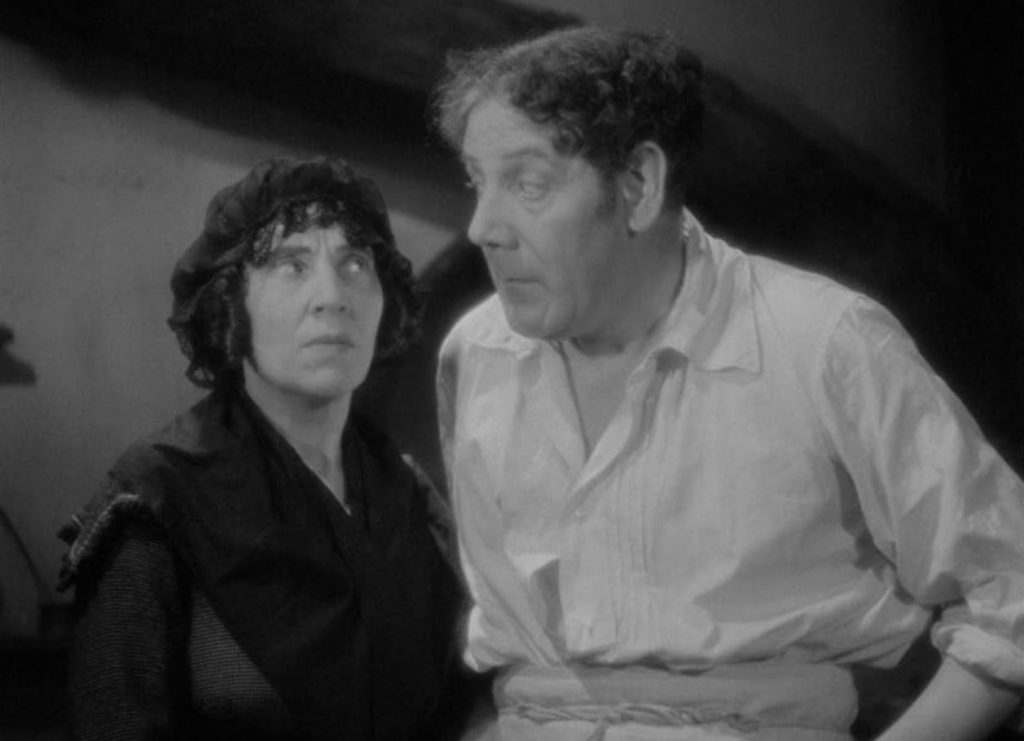
Horror began being presented as a theme rather than an outright genre. Horror elements could be found in everything from melodramas and mystery movies right up to comedies. 1936’s Sweeney Todd: The Demon Barber of Fleet Street was a good example of this, with the film being presented as a crime drama rather than a horror. The Clairvoyant, from 1935, is another example, again, presented as a crime mystery film.
Horror as a predominant theme wasn’t completely dead in the UK, though. The Boris Karloff starring The Ghoul, from 1933, was a very noteworthy “talkie”. Karloff would feature again just a few years later in the dark comedy horror The Man Who Changed His Mind, in 1936. The Dark Eyes of London, rounded out the decade in 1939. The genre was quiet in the UK for a couple of decades but that was all about to change.
The 50s – The Golden Age of UK Horror
It wasn’t until the “H” rating began to relax in the early 50s that we really started to see a revival of the horror genre in the form of a golden age for the UK.
The 1950s and 60s gave way to the rise of Hammer Horror and that is when the UK really made a name for itself. Universal had dropped the ball with its monster horror movies and Hammer Film Productions came along to scoop up the fumble.
Hammer Horror completely revived the monster horror genre and became a massive worldwide success. It all started with the Frankenstein series. The Curse of Frankenstein released in 1957 and starred Christopher Lee and Peter Cushing. Christopher Lee would return to Hammer films the following year, adopting his iconic role of Dracula in the 1958 film of the same name.
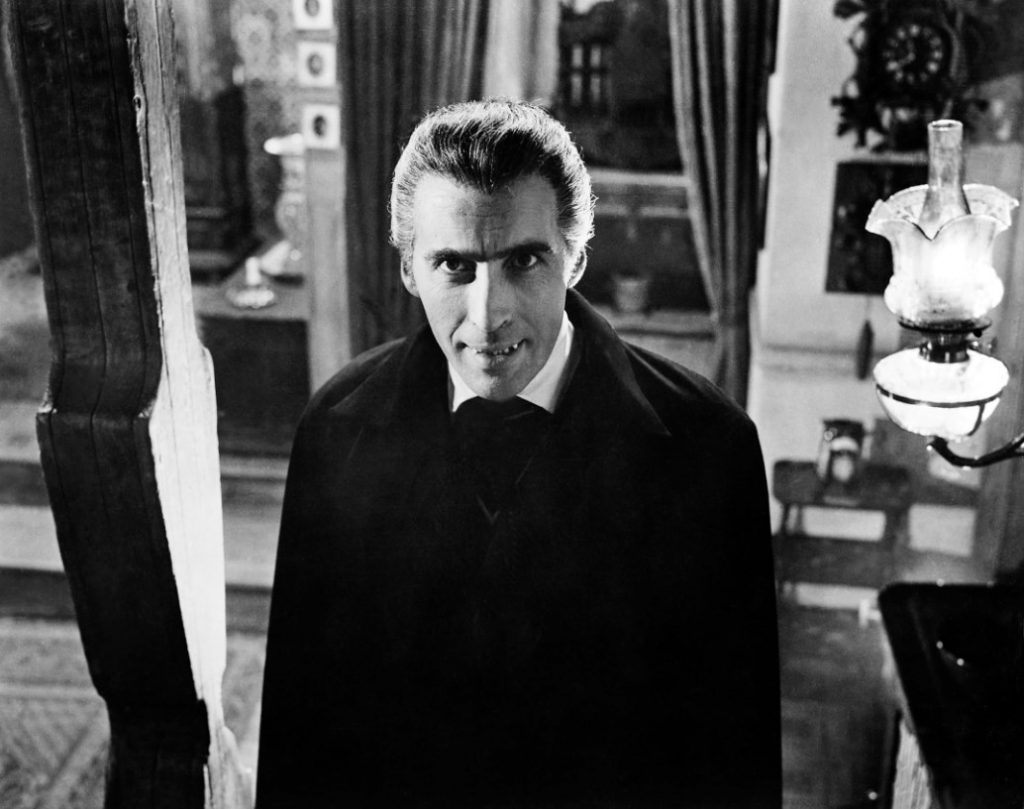
Hammer’s frequent dips into Gothic literature were reminiscent of some of the UK’s early horror history. Though these movies were scarier and more violent. In just the 60s, alone, Hammer Films would produce 40 movies that were horror or horror adjacent. That’s an impressive output. It’s even more impressive when you consider the quality of many of these films.
- Dracula (US: Horror of Dracula) (1958) – A defining movie in Hammer history that revolutionised Gothic cinema and created one of the most iconic depictions of Dracula and Van Helsing ever.
- The Curse of Frankenstein (1957) – Cushing and Christopher Lee star in a much more brutal telling of the Frankenstein story that was ground-breaking for its use of colour and significant amounts of gore.
- The Devil Rides Out (US: The Devil’s Bride) (1968) – A late Hammer release that focused on Satanism and the occult. Often cited as one of the company’s most well refined and scary films.
- Quatermass and the Pit (US: Five Million Years to Earth) (1967) – The third of Hammer’s Quatermass adaptations. This movie combined science fiction with some legitimately scary horror.
- The Revenge of Frankenstein (1958) – Peter Cushing returns as the increasingly unhinged Baron Frankenstein with a far more sympathetic and tragic monster.
- The Brides of Dracula (1960) – Christopher Lee steps aside as Dracula but Cushing returns as Van Helsing to continue his battle against evil.
- The Mummy (1959) – Lee and Cushing team up again in a Hammer retelling of the story of the Mummy.
- The Plague of the Zombies (1966) – A zombie movie that predates Night of the Living Dead and manages to be surprisingly gruesome.
- Frankenstein Must Be Destroyed (1969) – Cushing’s Baron Frankenstein returns, once again, in what is widely considered to be the best of the late series of Frankenstein films.
- The Curse of the Werewolf (1961) – Hammer’s take on the werewolf story, there only one in fact, stars Oliver Reed and keys in on the psychological element of the story. Weaving a tale of a young man struggling to cope with his nightmarish curse.
This is a far from exhaustive list, it’s just a personal top 10 though I do have a bit of a soft spot for the cheesiness of Twins of Evil (1971) and The Vampire Lovers (1970), the latter featuring the legendary Ingrid Pitt..
Hammer films were producing horror films that delved into all different kinds of topics and were massively prolific. They made over 80 horror films and that list grows if you start including horror adjacent stuff like thrillers. All while attracting, and creating, a whole range of celebrities. Hammer Horror icons were still gracing our screens well into the 2000s.
An Era That Would Inspire the World
Hammer’s popularity was global and would go on to inspire similar Gothic horror eras in much of the world. The company’s adapting of traditional stories and characters that had already found success in Universal’s films, combined with the lush, technicolour, aesthetics sparked a wave of copycats.
Spain’s Fantaterror period owes much to Hammer, as does Italy’s similar Gothic horror wave fronted by legendary director Mario Bava. Hammer’s influence can even be seen in early Giallo movies. France’s erotic gothic horror films by directors like Jean Rollin were heavily inspired by Hammer’s sexuality and aesthetic.
European filmmakers took what Hammer was doing with Gothic horror and added their own cultural spins to it. This created a wave of horror throughout the continent that all shared DNA that came from Hammer films. They didn’t just revive the sub-genre, they reinvigorated it and created a new horror golden age the world over.
If this list were to stop at the 70s, the UK would be number 2 on this list of top 3 greatest horror nations. If it weren’t for Hammer, who knows where horror as an industry would be? Every era that followed owes at least a slight tip of the hat to Hammer for keeping the genre alive through a tough period.
The 60s – It Wasn’t All Hammer Horror
It’s easy to get caught up talking about Hammer Horror when referring to Britain’s horror history. After all, it’s one of the most impactful and significant eras in horror history. The truth of the matter is, several other horror movies released during the 60s and 70s that were enormously important to the genre.
Amicus productions emerged in the 1960s and distinguished itself from Hammer with a series of anthology horror films like Dr. Terror’s House of Horrors (1965), Torture Garden (1967), The House That Dripped Blood (1971), Tales from the Crypt (1972), Asylum (1972), Vault of Horror (1973), and From Beyond the Grave (1974). Amicus also produced some stand alone horror movies like Scream and Scream Again (1970) and The Skull (1965).
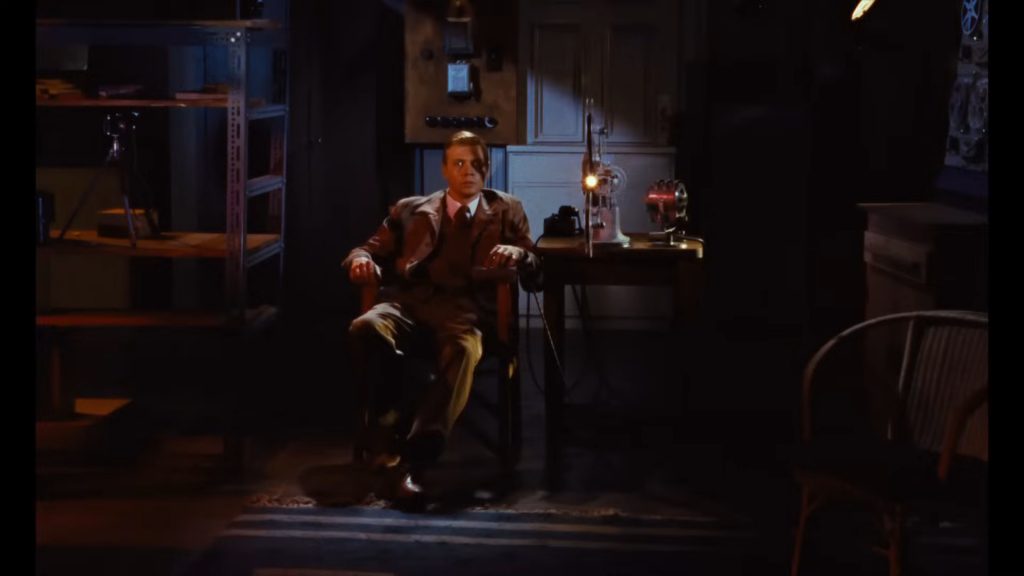
One of the greatest ever psychological horror movies, Peeping Tom, released in 1960. Causing a massive uproar on release thanks to its harrowing themes, Peeping Tom could rightly be seen as a proto-slasher and even a precursor to Giallo. In fact, it stands comfortably alongside Psycho (1960) (another film directed by a British director) as one of the most important, non-Giallo, horror films when it comes to the birth of the Slasher genre in the 70s.
More films would follow in the form of Village of the Damned (1960), The Innocents (1961), and Night of the Eagle (1962). All of which have hold up incredibly well to this day and remain hugely influential. While 70’s hits like Don’t Look Now (1973) and a brief exploitation-lite wave deserve mention. The late 60s and early 70s were about to give way to the emergence of an entire new horror sub-genre birthed in the UK – Folk horror.
The 60s & 70s – Post Hammer and The Birth of Folk-Horror
Hammer quietly faded away in the 60s. Hammer films recently revived and are still making movies today with huge hits like Let Me In (2010), The Woman In Black (2012), and The Lodge (2019) falling under the label which is pretty fantastic. That absence opened the door to another opportunity for the UK to redefine the entire industry.
Folk-horror’s emergence in the United Kingdom in the late 60s was sparked by the release of Witchfinder General (1968). While the genre hadn’t been strictly defined, or even given the title “folk-horror” which came far, far, later. The foundations were being laid for a unique type of Daylight-horror that played on the very specific societal anxieties of the UK.
These movies were incredibly different from many of the horror films of the day and a big departure from the Gothic horror that the country was so renowned for. The atmosphere and tension came from the uneasiness felt by characters confronted with alternative lifestyles and different cultures. A consistent sense of the uncanny which kept the viewer continually off-base.
The Dawn of Folk Horror – A New Breed
The locations were idyllic but isolated and rural and the inhabitants of these places often had cult like or pagan beliefs that felt alien to the more conservative population. Depictions of bizarre rituals were common and nudity was frequently used to shock and generate discomfort.
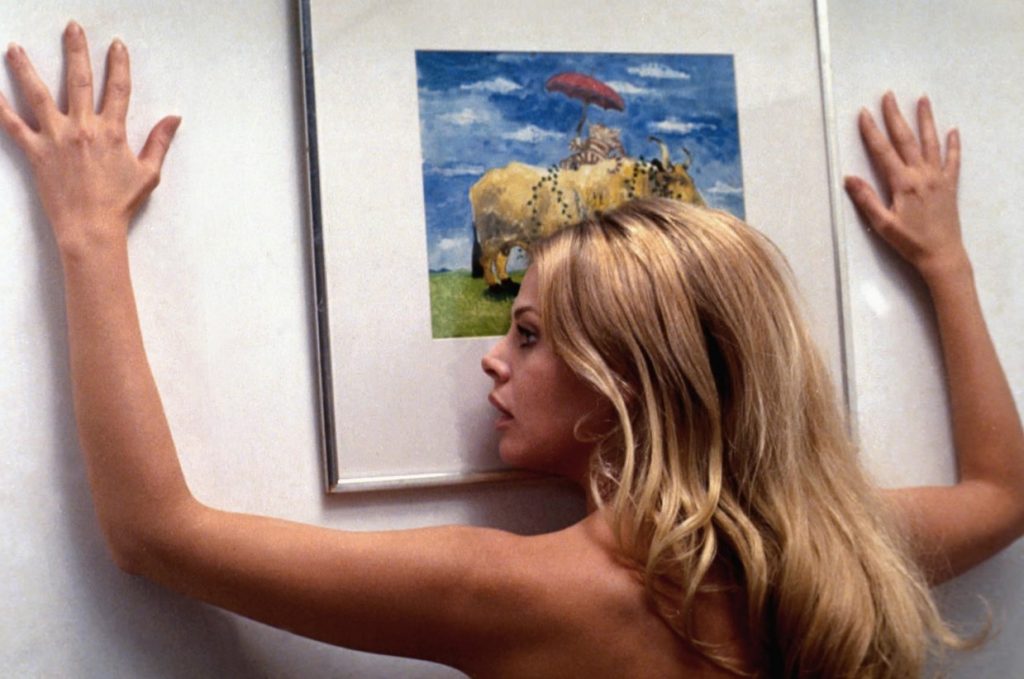
Filmmakers expertly placed the viewer into the shoes of a protagonist that was a complete fish out of water. Making the person watching share in the confusion and bewilderment felt by these characters who were typically very logical and rational.
Jump scares and gore were minimal and, instead, the scares came from a mounting sense of unease. What made folk-horror so different was how these uncomfortable scenarios took place in broad daylight. A stark contrast to the moonlit nature of films that came before.
The “Unholy Trinity” of folk horror, Witchfinder General (1968), The Blood on Satan’s Claw (1971), and The Wicker Man (1973), all came within a five year period. These titles still remain the defining films that set the benchmark for a genre that is still incredibly popular to this day. It’s impossible to watch movies like Ari Aster’s Midsommar and not hear the echoes of The Wicker Man still reverberating over 40 years later.
The 80s & 90s – A Horror Decline
Unfortunately, the 80s and 90s saw an exodus of British talent from the horror industry. Like with much of the European horror superpowers, Britain’s influence began to fade. US horror was dominating cinemas and an appetite for slashers lead the UK to focus on other, more lucrative genres.
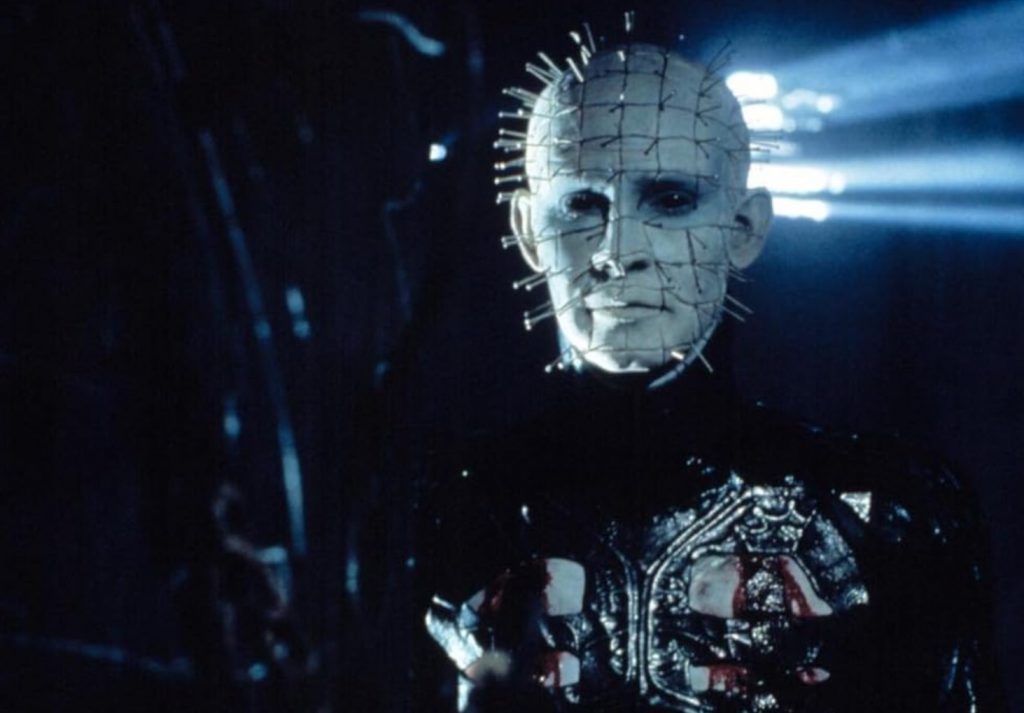
Most of the noteworthy horror examples from the UK were collaborative efforts with the United States like The Shining (1980) and Hellraiser (1987). Hellraiser’s British setting was changed to America and certain cast members were even dubbed over by American voice-actors; such was the desire for horror from the US.
Richard Stanley’s dystopian cyber-punk horror movie Hardware (1990) went onto attain a cult audience but similar examples are hard to find. We have to point out the brilliant BBC television production Ghost Watch (1992), though. An incredibly inventive pre-cursor to found footage that was so believable (partly thanks to its well respected cast like presenters Sarah Greene and Michael Parkinson) that it even lead to an actual real-life tragic death.
The 90s were dire for British horror with very little of note. A resurgence was coming, however, and the 2000s would be return the UK to one of the world’s top horror nations.
🚫 The “Video Nasty” Chilling Effect
You can’t talk about the decline of UK horror in the 80s without mentioning the absolute circus that was the “Video Nasty” era. While the USA was busy making icons out of Freddy and Jason, the UK was having a collective meltdown over the advent of home video.
Led by moral crusaders like Mary Whitehouse, the press convinced the public that “unrated” tapes were literally rotting the brains of the youth. This led to the Video Recordings Act 1984, a period where local video shops were raided by police and directors were treated like criminals for having a bit of fake blood on screen.
This created a massive “chilling effect” in the UK. Domestic filmmakers didn’t want to touch horror because the categorisation process was so strict and expensive. If you wanted to make a horror movie in the UK in the 80s, you were basically asking for a legal headache. It’s no wonder our best talent fled to Hollywood, leaving British horror in a coma until Danny Boyle woke it up in 2002.
A Modern Horror Resurgence
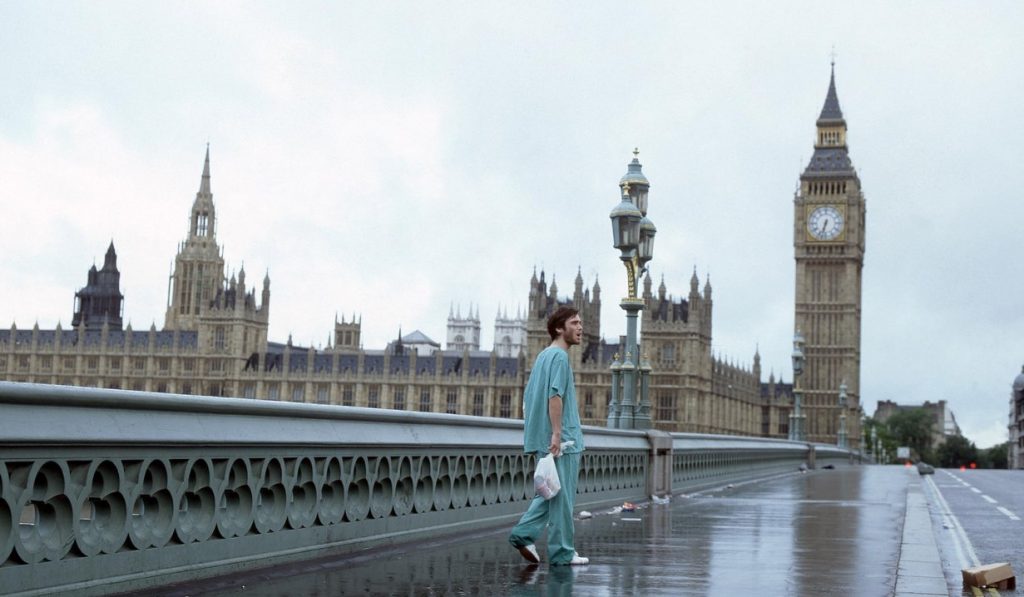
The ground-breaking zombie horror movie 28 Days Later (2002) really kicked the horror millennium off with a rage-filled bang. Danny Boyle’s refreshing and creative take on the zombie genre proved that the UK could make horror that was “cool” and also subvert genre expectations. This was another sub-genre redefining moment in horror that would change the zombie movie forever.
Enormously popular hits like Dog Soldiers, Shaun of the Dead, and The Descent proved that this was no fluke. Horror in the UK was back, it was refreshing, and it wasn’t going anywhere. British horror output has been very consistent throughout the 2000s and often extremely noteworthy.
- Dog Soldiers (2002)
- Shaun of the Dead (2004)
- The Descent (2005)
- Severance (2006)
- 28 Weeks Later (2007)
- Exhibit A (2007)
- Eden Lake (2008)
- The Cottage (2008)
- The Children (2008)
- Mum & Dad (2008)
- Attack the Block (2011)
- Kill List (2011)
- The Woman in Black (2012)
- The Girl with All the Gifts (2016)
- The Autopsy of Jane Doe (2016)
- Prevenge (2016)
- The Ritual (2017)
- Ghost Stories (2017)
- Possum (2018)
- Calibre (2018)
- In Fabric (2018)
- Saint Maud (2019)
- Host (2020)
- Caveat (2020)
- Silent Night (2021)
- In the Earth (2021)
- Censor (2021)
- Last Night in Soho (2021)
- All My Friends Hate Me (2021)
- Men (2022)
- Stopmotion (2023)
- Starve Acre (2023)
- Daddy’s Head (2024)
- Get Away (2024)
I saw someone describe UK horror as “hit or miss” on Reddit and I think that misses the mark spectacularly. I know for a fact that UK horror isn’t for me and I don’t go out of my way to watch horror from my home country. But the quality, consistency, and variety is incredibly noteworthy and far from hit or miss.
So Why Is it Number 3?
It’s the consistency, variety, and quality, along with the UK’s rich and important horror history, as well as a genre saving movement and a number of horror redefining moments that has the UK ranked above Italy, France, Spain, and South Korea in this list.
All of these countries have issues that the UK doesn’t. France has limited output and large protracted lulls lasting decades. South Korea’s history is virtually null and they trend toward thrillers more than horror. Italy has limited history before Giallo and nothing in the last 40 years. Spain’s highs have been far lower and less enduring and their entire Fantaterror period was inspired by Hammer.
Hammer arguably held traditional horror afloat in the 50s and 60s when the rest of the world was trying something distinctly less scary while also laying the path for Fantaterror and Giallo. It also birthed folk horror, set the benchmark for the slasher genre with Peeping Tom, redefined zombie movies with 28 Days Later, outlined how survival horror should feel with The Descent, and reformulated the horror comedy with Shaun of the Dead.
It’s also hard to discount the UK’s massive contribution to collaborative efforts with places like Canada, the USA, and Ireland, among others.
Most horror viewers would be very surprised to see how many American horror films were made with the UK’s assistance. I haven’t listed any of them here because this article is already long and that would make it far longer.
UK directors like Ridley Scott, Alfred Hitchcock, Danny Boyle, Neil Marshall, James Watkins, Christopher Smith, and Edgar Wright, among others, have consistently made waves in the USA, as well.
Much of this is due to the fact that the UK is a rich country, was one of the first film-making nations, and is afforded greater opportunities thanks to the anglosphere. A fact which has also been taken into account when it comes to position on this list. I didn’t think I would be putting the UK this high on the list but it would be, quite simply, wrong to place it lower.
You can take a look at all of our British Horror content by clicking this link.
- Consistency: The UK had two lulls in the 30s and 80s-90s but has been very consistent. Particularly in the 60s and 70s and again post 2000.
- Historical Impact: Hammer Horror’s impact can’t be understated. The UK is responsible for the emergence of folk horror and gothic horror’s growth could be attributed to the UK, as well. Along with the renewed popularity of zombie films, survival horror, and zom-coms.
- Current Impact: The UK puts out noteworthy titles every year.
- Impact Above Expected: 65 million people, a rich country, part of the anglosphere so as expected.
More Horror Lists You Will Love
- 10 Horror Movie Deaths That Left Us Devastated (Major Spoilers)
- 10 Most Disturbing Japanese Horror Movies Ever – Extreme J-Horror Ranked
- 10 Lesser Known Virus and Infection Horror Movies – Ranked
- 10 Unique Zombie Horror Movies That Do Things Different- Ranked
- 10 Fantastic French Horror Movies From 2000 On – Ranked