7: France – 10 Greatest Horror Movie Nations on Earth
Welcome to Ranking Horror. We are continuing our feature on The 10 Greatest Horror Nations on Earth. Today, we are checking out number 7 on the list – France.
Table of Contents
This ranking measures horror nations by sustained influence, modern relevance, and impact above expectation, not just historical legacy.
France was a bit of an awkward nation to place when it came to this list of Greatest Horror Nations. I will hold my hands up and admit that I am not the world’s biggest fan of French horror, as a whole. There are a few titles that I love but things like New French Extremity just didn’t really do it for me. I think that even some of the more noteworthy titles from that era are still fairly mid.
I tried to take bias out of it but research revealed that my opinion on New French Extremity is a fairly common one. With that being said, that kind of made the decision a little easier for me when keeping France out of the top 5 greatest horror nations on earth. That doesn’t mean that France isn’t a horror powerhouse, though. Let’s take a look.
- Consistency: How consistent has the country been in putting out decent horror movies.
- Historical Impact: How impactful has the country’s horror output been on the industry itself.
- Current Impact: How impactful are the country’s modern releases on the industry
- Impact Above Expected: How impactful has the country been considering their population.
7: France – The First Horror Nation
France’s horror history before the Millennium could best be described as sporadic yet significant. France was never a major player in the horror industry. You aren’t going to find any eras comparable to Giallo (Italy), Hammer Horror (The UK), Ozploitation (Australia), or Fantaterror (Spain).
With that being said, there were occasional releases that proved to be immensely significant to the genre as a whole. France has an important place in cinematic history. In fact, France’s contribution to the birth, and rise, of cinema could be described as foundational.
When it comes to France’s place in horror history, you might point to it as the actual birthplace of horror cinema. Director Georges Méliès released Le Manoir du Diable all the way back in 1896 and it is, generally, considered to be the first horror film ever made. For reference, that is a whole year before Bram Stoker released his seminal Gothic horror novel Dracula.
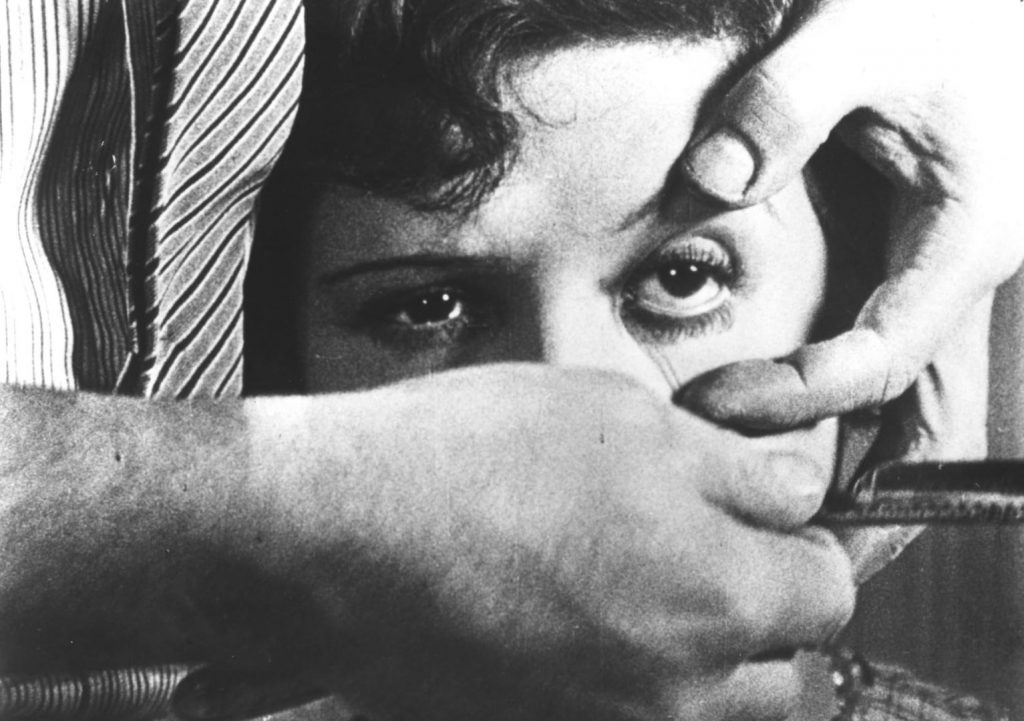
Director Luis Buñuel enlisted the help of Spanish surrealist artist Salvador Dalí to create his 1929, 16 minute long, body-horror project Un chien andalou (An Andalusian Dog, 1929).
This ground-breaking title would feature wince-inducing scenes of graphic injury detail and violence that are still shocking to this day. The movie would also depict the fondling of a woman’s naked breasts and derriere. While it seems tame by today’s standards, this was positively scandalous in the 1920s. Though the film’s initial Avant-Garde audience were more fascinated than outraged.
These early horror releases demonstrated a desire for transgression and boundary pushing in French films. Traits that would act as a very early hint at where the country’s horror genre would end up in the distant future.
A Golden Age of French Cinema that Horror Benefitted From
Post war, French cinema began to excel, as a whole, and the horror genre benefitted from this. The 1950s and 1960s were something of a Golden Age when it came to French film-making. The period saw the release of two tremendously influential psychological horror movies in the form of Les Diaboliques (Diabolique) (1955) and Les yeux sans visage (Eyes Without a Face) (1960).
Les Diaboliques acted as a window into the future of modern horror cinema. This movie’s suspenseful tale of a cruel headmaster’s wife and mistress teaming up to murder him with, what they believe to be, the perfect plot, changed horror forever. Its twists, turns and narrative misdirection, as well as its frequently shocking story absolutely packed with tension and suspense, went on to inspire Alfred Hitchcock’s seminal horror masterpiece Psycho (1960).
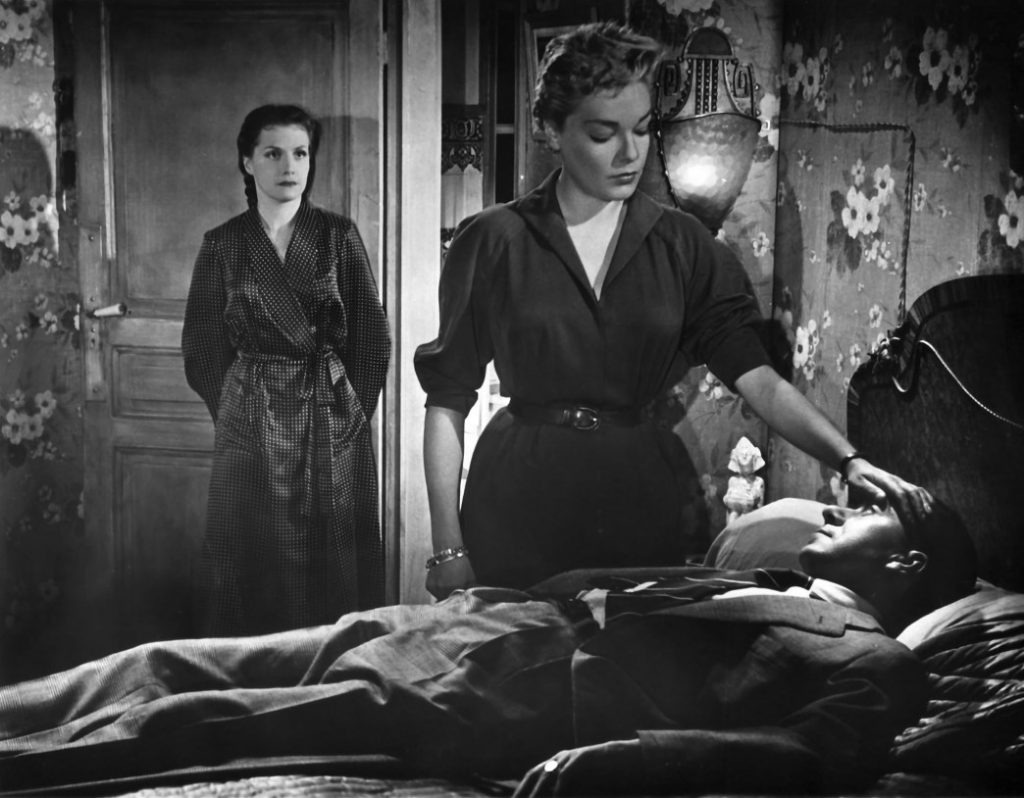
1960’s Les Yeux Sans Visage would continue what Luis Buñuel’s started with Un chien andalou by laying the groundwork for body-horror, as a whole. The film’s story of a surgeon kidnapping people to rob them of their body parts in order to restore his daughter’s disfigured face was both disturbing and captivating.
These films set the benchmark for psychological horror and their impact can still be seen today. While France’s cinema Golden Era was far from packed with horror releases, their importance still ripples through modern cinema to this day. A trait which was shared by French films of multiple different genres.
The 60s – 90s – The Take Over of Arthouse and a Waning Fringe Appeal
Between the 60s and 90s, French horror cinema fell off quite a bit and became very fringe. Despite the booming popularity of the genre in Europe, along with the Hammer Horror, Fantaterror, and Giallo movements in neighbouring countries, France moved away from the genre.
Arthouse movies and intellectual, auteur-driven, films were the order of the day. Genre films were dismissed for being derivative, lacking in artistic merit, and undesirable. While horror themes still played a part in adjacent genres like Fantasy and drama, the genre itself became incredibly fringe.
Finding significant late 60s and 70s horror releases from France is something of a difficult task. Especially without delving into the world of Jean Rollin’s dream-like erotic vampire films. Strangely enough, Rollin would go on to find a cult audience that still endures to this day.
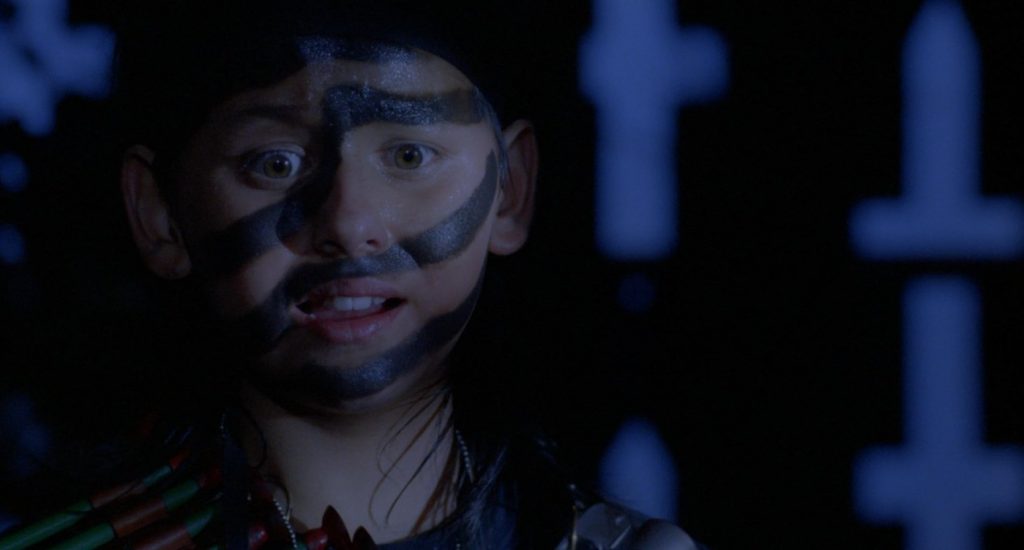
The 80s and 90s continued this relative silence when it came to French horror. While there were a number of movies that would go onto become classics like the enjoyable Home Alone style romp 36.15 Code Père Noël (1989), the bizarre Naziploitation horror Devil Story (1986), and The Night of the Hunted (1980). It seemed like France’s interest in genre films had all but evaporated.
This was, truly, the quiet before the storm, though. Things were about to change in a massive way and the entire world would take notice. The millennium was about to introduce us all to a new wave of French horror that returned the country to its shocking roots.
The 2000s – The Dawn of New French Extremity
The millennium saw a break in France’s prior horror genre silence with the dawn of Nouvelle Horreur Vague (New French Extremity). This was a collection of transgressive movies that mashed genres together and frequently spat all over both taboos and boundaries.
Targeted towards fans who craved gore and violence. This new wave of French horror arrived at the perfect time to capitalise on people with a love of torture horror like Hostel (2005) and Saw (2004). New French Extremity films often featured harrowing and graphic depictions of violence, torture, extreme sexuality, and psychological suffering.
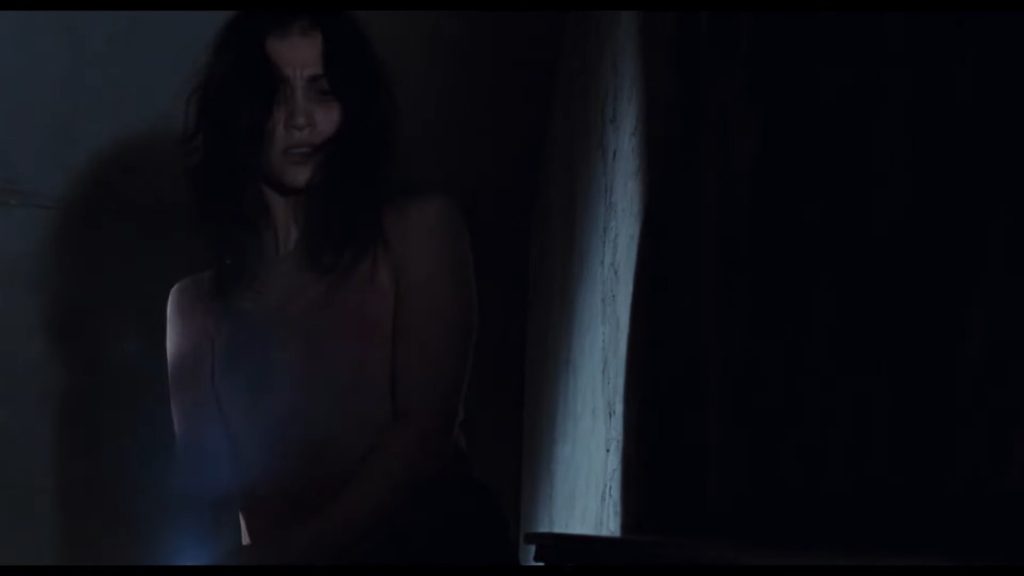
This was a type of film-making designed to challenge the accepted norms. If conventional cinema had deemed a subject too risky or dark to explore, French horror filmmakers were going to make it their mission to explore it.
New French Extremity placed the focus on body-horror, graphic violence, existential dread, the fragility of life, harrowing scenarios, and a hell of a lot of gore. Films from the movement often presented their scenarios in a manner that felt uncomfortably raw and immensely intimate. Handheld cameras placed the viewer up close and personal with both the antagonists and protagonists while the outcomes of the stories were often bleak and completely hopeless.
Movies like Inside (2007), In My Skin (2002), High Tension (2003), Frontier(s) (2007), Martrys (2008), Calvaire (2004), and Irreversible (2002) pushed the boundaries of what could be considered acceptable in a horror movie. More restrained efforts like Them (2006) and Livid (2011) proved that the intensity of New French Extremity could be harnessed in a film that doesn’t feature all of the gore and nastiness.
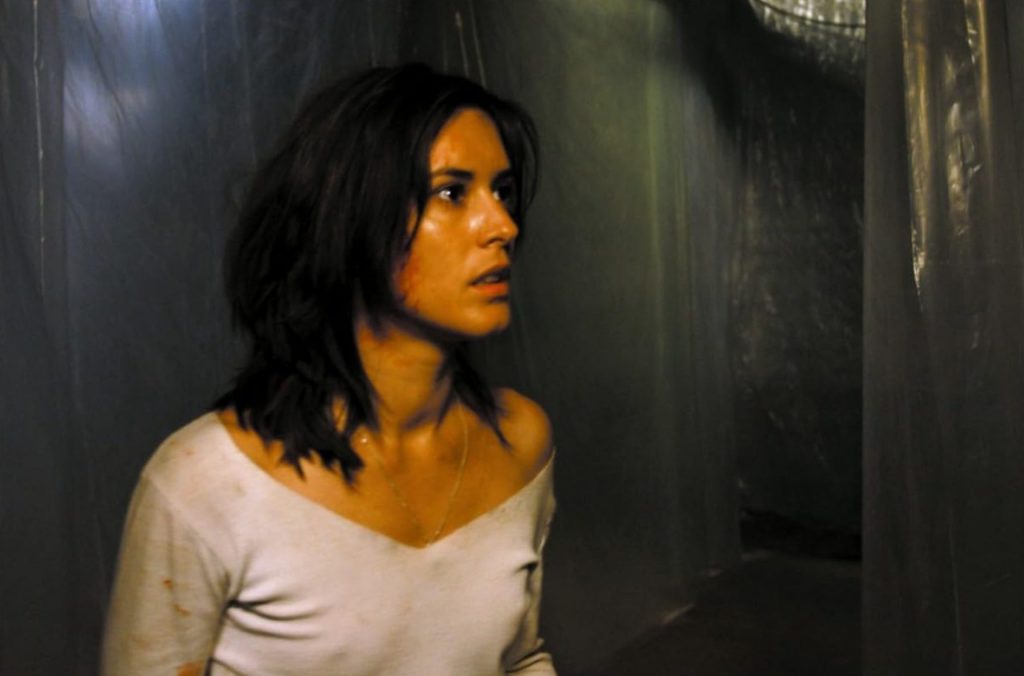
Despite the movement’s divisive nature and lack of broad appeal, it would continue to inspire French, and international, filmmakers long after its brief heyday had passed. Its influence is obvious in films like Raw (2016), Titane (2021), and Coralie Fargeat’s Revenge (2017).
New French Extremity brought French horror back into the limelight of global recognition and many of its most successful directors were scooped up by Hollywood. It may not appeal to everyone but its legacy lives on and its impact is undeniable.
🇫🇷 France: Shock or Substance?
Spoiler alert, Spain is going to be coming up shortly in this list which is probably controversial to some. That doesn’t demean France’s importance to horror. If Spain is the “Silent Assassin of Horror”, then France is the Unapologetic Provocateur. Critics often dismiss French horror as mere “gore-hound bait”, but that completely misses the point. France doesn’t just splatter blood for attention; it uses extremity as a visceral, intellectual needle into your brain.
While Spain focuses on suspense that travels, France focuses on transgression that transforms. Think of the massive footprint left by Martyrs (2008), a film so brutal it redefined the limits of the genre, or Raw (2016), which turned body horror into a high-art coming-of-age story. Even recently, Coralie Fargeat‘s The Substance (2024) and Julia Ducournau‘s Titane (2021) have proven that French directors are still the world leaders in making you look when you most want to turn away.
Spain might own the “long game” of atmospheric dread, but France owns the moment of impact. It’s horror that demands a reaction, forcing you to confront the ugliness of the human condition in broad daylight. In the battle of Europe’s horror heavyweights, France doesn’t just want to scare you; it wants to leave a scar.
The 2010s – Continually Great Horror Movie Output
France never stopped after the success of its New French Extremity movement. Even when NFE faded away, the country’s fascination with all things horror remained. France stands as one of the world’s greatest horror nations post millennium and continually releases titles that are noteworthy and significant.
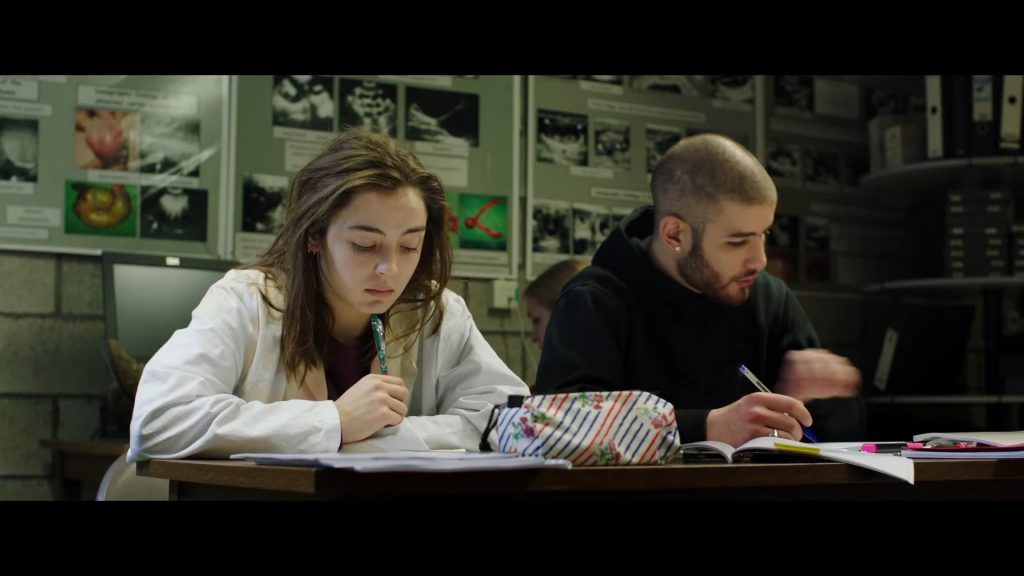
What might be most impressive is that the country has left the trappings of violent horror behind and diversified substantially. France can’t be pinned down to one specific type of horror movie or sub-genre as their output is just so varied. France’s recent zombie themed horror movies, for example, deserve special mention for being both inventive and enjoyable.
- Infested (2002) – A group of friends battles a deadly swarm of mutant insects in a remote cabin.
- Martyrs (2008) – Two women seek vengeance and uncover a horrifying cult that subjects its victims to unthinkable suffering.
- Horsehead (2014) – A woman experiences disturbing dreams while unraveling dark family secrets during her mother’s funeral.
- Raw (2016) – A vegetarian veterinary student develops an insatiable craving for human flesh after a hazing ritual.
- Revenge (2017) – A woman left for dead by her attackers embarks on a brutal quest for vengeance in the desert.
- Climax (2018) – A dance troupe’s rehearsal turns into a nightmarish descent into chaos after unknowingly consuming spiked sangria.
- The Night Eats the World (2018) – A man wakes up in a deserted Paris apartment and realizes he must survive a zombie apocalypse.
- For Night Will Come (2019) – A mysterious girl harbors a dark secret as she navigates the hostility of her small-town peers.
- The Swarm (2020) – A struggling farmer develops an eerie dependence on locusts with a taste for blood.
- Oxygen (2021) – A woman awakens in a cryogenic chamber with no memory and must figure out how to escape before her air runs out.
- Titane (2021) – A woman with a titanium plate in her skull embarks on a shocking and transformative journey after committing a series of crimes.
- The Deep House (2021) – A couple exploring a submerged house discovers it is a site of horrific supernatural activity.
- The Advent Calendar (2021) – A paraplegic woman receives an advent calendar that grants wishes with sinister consequences.
- Deep Fear (2022) – Three friends exploring the Paris catacombs face unimaginable horrors lurking in the darkness.
- Under Paris (2024) – A a grieving scientist is forced to face her tragic past when a giant shark appears in the Seine.
- MadS (2024) – A night of drug-filled partying goes horribly wrong for a teen who finds himself in a life and death struggle.
Visionary French horror directors are making a massive splash in Hollywood while still putting our noteworthy titles in their own country. Coralie Fargeat, Julia Ducournau, Dominique Rocher, and David Moreau all jump to mind.
A Frequent Horror Collaborator
Something worthy of note when it comes to recent French horror is how often they collaborate with other countries. France frequently teams up with Belgium, the USA, the UK, Canada, Spain, and Germany to produce horror movies.

Given that they aren’t part of the anglosphere, it is impressive how many French directors went on to have success in larger markets. Alexandra Aja, Coralie Fargeat, Pascal Laugier, Julien Maury, Alexandre Bustillo, and David Moreau would all direct movies for Hollywood. France would, also, inspire a litany of American remakes with Martyrs and Inside being two notable examples to be ruined by Hollywood.
French horror has been making a huge global impact for the past twenty plus years and it shows no signs of slowing down. France is definitely one of the greatest horror nations on earth and well deserving of its place at number 7 on this list.
You can take a look at all of our French Horror content by clicking this link.
- Consistency: Sporadic, yet significant, output pre-2000s but very consistent post 2000s
- Historical Impact: France was responsible for the first horror movie, notable releases in the 50s, New French Extremity was extremely influential, though very divisive.
- Current Impact: France is releasing consistently great horror movies every year and French directors are making waves in Hollywood, most notably Coralie Fargeat.
- Impact Above Expected: France is a very rich country with over 68 million people but not being part of the Anglosphere has to be taken into consideration with regards to impact. Quite impressive.
More Horror Lists You Will Love
- Be Careful What You Wish For: 20 Horror Movies Where The Monkey’s Paw Curls
- 10 Haunted House Found Footage Movies – Popular & Deep Cuts
- 10 Great Social Media Horror Movies: Digital Nightmares Ranked
- 10 Of The Greatest, Goriest, Splatter Horror Movies Of All Time
- 10 Brutal Body Horror Movies From The 2020s – Ranked