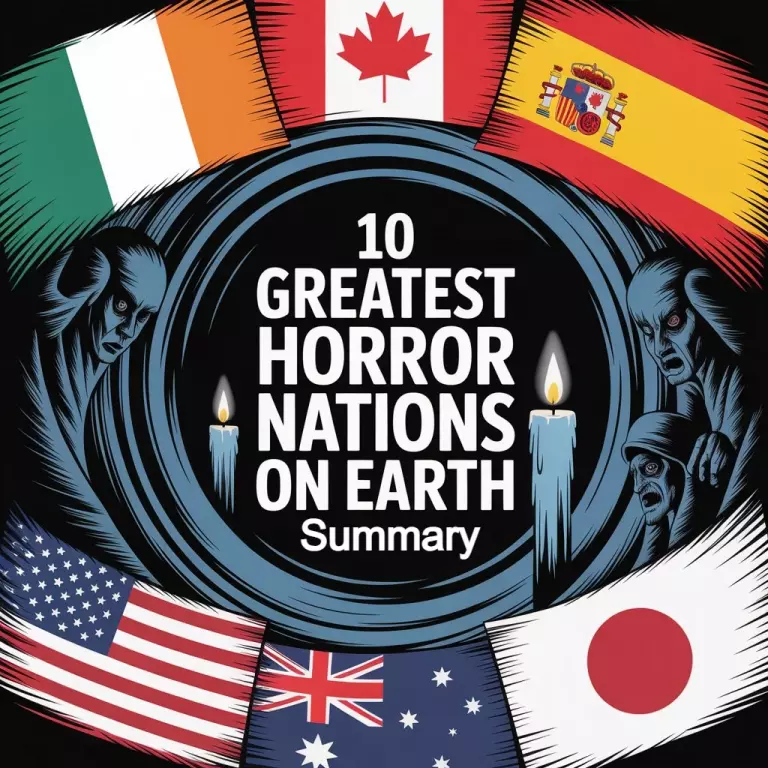
5: Spain – 10 Greatest Horror Movie Nations on Earth
Welcome to Ranking Horror. We are continuing our feature on The 10 Greatest Horror Nations on Earth. Today, we are checking out number 5 on the list – Spain.
Table of Contents
This ranking measures horror nations by sustained influence, modern relevance, and impact above expectation, not just historical legacy.
Closing out the first half of the top ten was a little tough. I am a huge fan of some of the countries that we have already covered and I couldn’t help but feel a bit sorry to put them outside the top 5. It really does have to come down to logic, though. The next 5 countries in this list all have incredibly rich horror histories and 4 of them have had a sustained impact on the horror industry. They are all very significant when it comes to the evolution of the genre, as well.
Spain ticks all of those boxes. I decided to place it over France as I think the Fantaterror period that we will talk about shortly is extremely significant and Spain’s horror, in general, has a broader appeal over something like New French Extremity. As always, we will be looking at a few specific factors, namely.
- Consistency: How consistent has the country been in putting out decent horror movies.
- Historical Impact: How impactful has the country’s horror output been on the industry itself.
- Current Impact: How impactful are the country’s modern releases on the industry
- Impact Above Expected: How impactful has the country been considering their population.
5: Spain – A Consistent Horror Force
Spain’s horror history has been rich, pre-millennium. Interestingly enough, it can largely be divided into a few distinct eras, though it should be noted that these eras did occasionally overlap. Much like the previous country on this list, South Korea, Spain’s horror industry moved in turn with it’s political, and societal, environment.
Spain’s film industry had limited resources pre-1960s and was still emerging. Again, much like South Korea, the oppressive, authoritarian, Franco dictatorship heavily controlled the media. Propaganda was paramount and comedy movies designed to uplift and invigorate people were the order of the day.
Horror was, very much, an afterthought and there was limited interest in the genre in the eyes of filmmakers. Supernatural movies went deeply against the government’s Catholic dogma and anything deemed to be subversive or socially charged would be heavily censored. That was all about to change, though.
The 60s – The Birth of Fantaterror
Censorship began to ease up a little and the government adjusted its approach to the movie industry which had a profound impact on genre films. Hoping to encourage foreign investment and to exercise a form of soft cultural control, the Franco regime began promoting film production, albeit subtly. The 1960s and 1970s gave birth to Spain’s first horror boom period in the form of Fantaterror (fantasy-terror).
These were movies that combined horror with fantasy and were distinctly Spanish. Filmmakers were heavily inspired by Italy’s flourishing Giallo genre, the USA’s classic Universal Monsters, and Britain’s hugely popular Hammer Films. Films in the Fantaterror era followed themes of the supernatural and often featured stories from Gothic literature focused on classic horror movie icons like werewolves, mummies, zombies, and vampires.
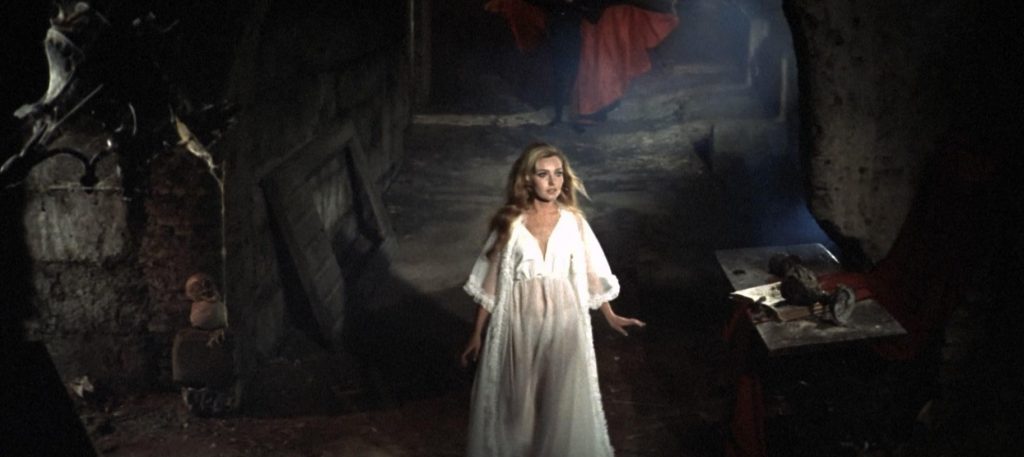
Co-productions with Italy, the UK, Germany, and France, stretched Spain’s influence across the continent. As censorship continued to ease up, Spanish filmmakers continued to push the envelope. Introducing erotic elements into their films along with a whole lot of violence in an effort to appeal to foreign markets.
Despite being, often, poorly received by critics, Fantaterror movies would eventually go on to find cult audiences. The stars and directors of the films, like Paul Naschy, Jesús Franco, and Amando de Ossorio, became Spanish horror icons and the era’s impact lasted for well over a decade.
- The Awful Dr. Orloff (Gritos en la noche, 1962): A mad doctor kidnaps young women to use their skin in an attempt to restore his disfigured daughter’s beauty.
- The House That Screamed (La residencia, 1969): A boarding school for troubled girls hides dark secrets, including disappearances linked to a sinister plot.
- The Mark of the Wolfman (La Marca del Hombre Lobo, 1968): Paul Naschy stars as a tragic werewolf caught between two rival vampire clans.
- Tombs of the Blind Dead (La noche del terror ciego, 1972): Reanimated, eyeless Templar Knights stalk their victims in this atmospheric Spanish horror classic.
- The Blood Spattered Bride (La Novia Ensangrentada, 1972): A newlywed bride becomes entangled in a seductive and deadly relationship with a vampire.
- The Bell From Hell (Un bell d’infern, 1973): A man released from an asylum seeks revenge against those who wronged him, all under the shadow of a cursed bell.
- Let Sleeping Corpses Lie (No profanar el sueño de los muertos, 1974): A mysterious agricultural machine awakens the dead, leading to a chilling zombie outbreak.
While not quite sharing the historical significance of Britain’s Hammer Horror industry and Italy’s Giallo horror genre, Fantaterror was still a massively noteworthy horror movement.
The 70s – The Decline of Fantaterror
Spain’s transition to a democracy in the late 70s brought significant changes both to Spanish society and to Spain’s movie industry. People’s attitudes were changing and, much like what was about to happen in the UK with Hammer Horror, people wanted something different.
The elaborate and fantastical stories of vampires, werewolves, and horror movie monsters had suddenly become passe. Viewers wanted something more realistic and something grittier. Spanish filmmakers were keen to explore previously forbidden topics and the horror genre wasn’t necessarily the best place to do that.
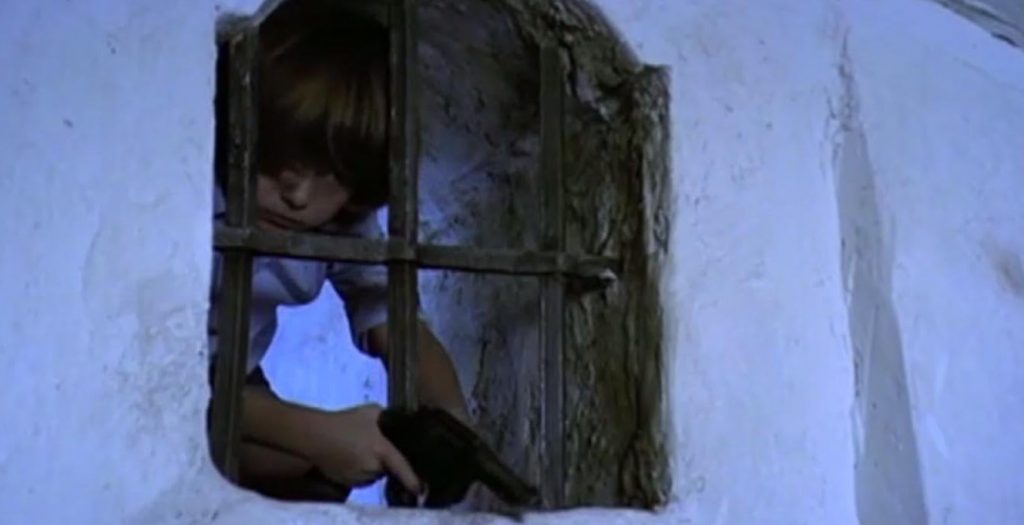
The entire horror world was making a seismic shift towards masked killers and slasher movies. The gothic horror movies that Spain had been so fond of suddenly were out of fashion. That doesn’t mean this period was totally devoid of impactful Spanish horror movies, though. A couple of very noteworthy titles appeared during this transitional period.
- Who Can Kill a Child? (¿Quién puede matar a un niño?, 1976): A couple visiting a remote island discovers its children have turned against all adults in a violent uprising. This was a massively impactful title that has been described as a psychological horror masterpiece and one of Spain’s greatest ever horror movies.
- Anguish (Angustia, 1987): A psychological horror film that blurs the lines between reality and fiction as a killer’s actions on screen influence a viewer’s descent into madness. A brilliant example of meta-horror filmmaking that was inventive and unique.
This relative silence would continue well into the 90s for Spain. There was a much broader focus on producing quality drama and comedies, many of which went onto gain international recognition. Horror would only really appear as adjacent themes in arthouse psychological thriller movies like Tesis (Thesis, 1996) and El Día de la Bestia (The Day of the Beast, 1995).
Despite the seeming dormancy of the genre, the groundwork was being laid for what was about to come. The turn of the millennium was just around the corner and the 2000s would wake a sleeping horror giant. We were about to enter another Spanish horror Golden era.
The 2000s – The Spanish New Wave of Horror
The 2000s ushered in a brand new Golden Age for Spanish horror. We talked a little earlier about the thriller movies Tesis (1996) and El Día de la Bestia (1995) laying the groundwork and it quickly became clear how immensely important those movies were.
With the Fantaterror period well in the rear-view mirror, Spanish filmmakers were acutely aware of the need to make their horror movies stand out. High production values were of paramount importance and an almost art-house approach to the styling made horror from Spain feel distinctly recognisable.
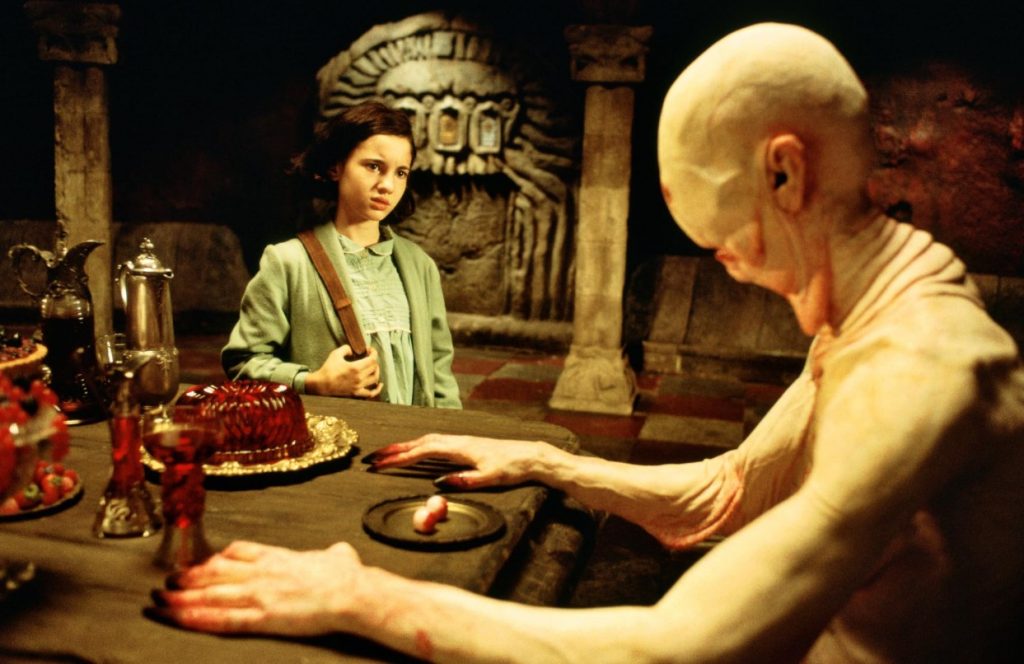
While themes of the supernatural were rooted into a lot of Spanish horror. Filmmakers enthusiastically incorporated a number of different elements including time loops, psychological horror, societal struggles, bullying, grief, guilt, and trauma.
Visionary Mexican director, and champion of Spanish cinema, Guillermo del Toro reintroduced Spain to its fantasy horror past with incredible, horror-adjacent, movies like Pan’s Labyrinth (2006). Coming-of-age horror was something that Spain absolutely excelled at thanks to filmmakers who were keen to tell stories related to the the loss of innocence.
The country’s complex past was reflected in the storytelling of many of its greatest modern horror films. Horror writers wanted to relate stories of those who lost their lives in the country’s civil wars, particularly children. Spanish horror manages to be deeply moving in a way that horror from other country’s struggled to achieve.
A Modern Horror Powerhouse
Spain has released some of the most noteworthy movies in the entire horror genre over the past 20 years. What stands out about many of these releases is the consistently fantastic quality. When Spain makes horror movies, the world watches knowing they are in for a treat.
- REC (2007): A journalist and her cameraman document a terrifying outbreak in a quarantined apartment building, uncovering horrifying secrets.
- The Devil’s Backbone (El espinazo del diablo, 2001): In a haunted orphanage during the Spanish Civil War, a boy uncovers dark secrets tied to a ghostly presence.
- The Skin I Live In (La piel que habito, 2011): A surgeon with a tragic past conducts disturbing experiments on a mysterious woman he keeps captive.
- Sleep Tight (Mientras duermes, 2011): A disturbed apartment concierge manipulates and terrorizes a tenant to satisfy his twisted obsession.
- Witching and Bitching (Las brujas de Zugarramurdi, 2013): A group of thieves fleeing a heist encounter a coven of witches in a small Spanish village.
- Julia’s Eyes (Los ojos de Julia, 2010): A woman with a degenerative eye condition investigates her sister’s mysterious death, uncovering a sinister conspiracy.
- Timecrimes (Los cronocrímenes, 2007): A man accidentally travels back in time, setting off a series of chilling and paradoxical events.
- The Body (El Cuerpo, 2012): A detective investigates the disappearance of a corpse from a morgue, revealing dark and twisted secrets.
- Piggy (Cerdita, 2022): A bullied teenager becomes an unwitting accomplice to a serial killer, forcing her to confront her morality.
- Verónica (Verónica, 2017): A teenage girl uses a Ouija board during a solar eclipse, unleashing malevolent forces that terrorize her family.
- The Orphanage (El orfanato, 2007): A mother returns to her childhood orphanage and uncovers its eerie secrets while searching for her missing son.
- Tin & Tina (Tin y Tina, 2023): A psychological horror film about a couple who adopt two unsettling, religiously zealous children from a convent.
- Sister Death (Hermana Muerte, 2023): A nun with supernatural abilities confronts dark forces in a convent haunted by its sinister past.
- Don’t Listen (Voces, 2020): A family discovers terrifying voices and paranormal activity in their new home after their son’s tragic death.
- The Coffee Table (La mesita del comedor, 2022): A seemingly ordinary household object becomes a harbinger of dread in this chilling psychological thriller.
- Errementari: The Blacksmith and the Devil (2017): A blacksmith captures and tortures a demon in a dark fairy tale blending Basque folklore and gothic horror.
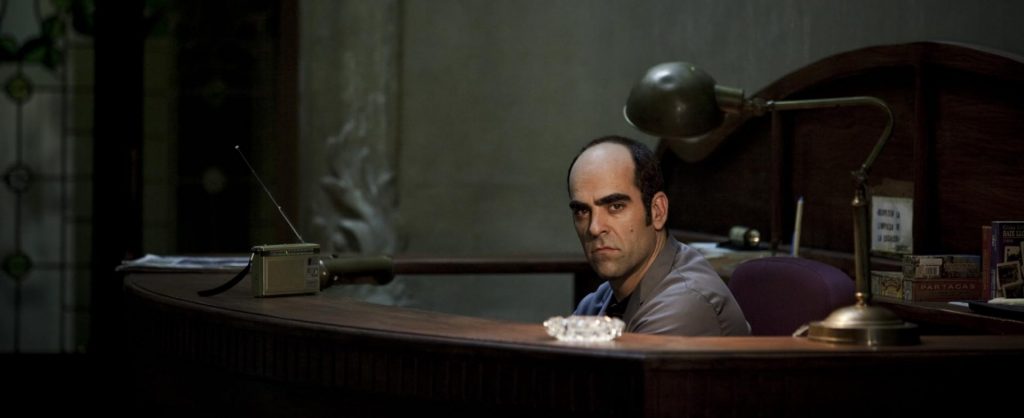
There’s so many more that I have missed, as well. I haven’t even mentioned how many of these movies went on to be remade by Hollywood. Or how Spain’s contributions in the form of horror collaborations with countries like the USA, France, Mexico, and Canada have impacted the horror world. The Others (2001), Darkness (2002), and Mama (2013) are just a few examples.
Considering Spain’s population of 48 million, it’s really quite impressive. They aren’t part of the anglosphere either. They definitely deserve a place at number 5 on this list of greatest horror nations.
🇪🇸 Spain: The Silent Assassin
Here’s where the truth might sting a few French Extremity purists: France shocks, but Spain owns. While French directors were busy splattering gore for attention in the early 2000s, Spain was quietly perfecting a brand of suspense and psychological dread that actually travels.
Think about the footprint: REC didn’t just scare people; it inspired an entire global wave of found-footage panic. Verónica terrorised teens so effectively that Hollywood came calling, and Pan’s Labyrinth reminded the world that the most haunting monsters are the ones born from dark history and fairy tales.
Spain’s horror doesn’t need to scream to be heard or throw a bucket of blood over your face. It sneaks into your nightmares, rearranges your moral compass, and leaves you questioning what’s real. In our ranking, Spain doesn’t just compete with France – it outmanoeuvres it. It terrifies with style, brains, and a staying power that shock-value alone can’t buy. This is a country punching far above its weight and quietly rewriting the rules of the genre.
- Consistency: Noteworthy output in the 60s and 70s but post 2000s have been incredible.
- Historical Impact: Fantaterror was historically very significant, especially with regards to cult horror.
- Current Impact: Post 2000s output has been extremely impactful and consistent.
- Impact Above Expected: A decent sized population but still punching above its weight.