8: Australia – 10 Greatest Horror Movie Nations on Earth
Welcome to Ranking Horror. We are continuing our feature on The 10 Greatest Horror Nations on Earth. Today, we are checking out number 8 on the list – Australia.
Table of Contents
This ranking measures horror nations by sustained influence, modern relevance, and impact above expectation, not just historical legacy.
This is a country that I really had to tone down my bias for when placing it on this list of greatest horror nations. I absolutely love Aussie horror and I would probably whack it in my personal top 3. I, obviously, can’t do that but Australia is a definite horror powerhouse, particularly since the 2000s.
The only knock is that some of the country’s more noteworthy periods featured movies that were popular but critically not that great. They only have a handful of legitimately great films from both a critical and fan viewpoint.
As always, there are a few key factors we will be concentrating on and we will summarise those points at the end of the article. Let’s take a look.
- Consistency: How consistent has the country been in putting out decent horror movies.
- Historical Impact: How impactful has the country’s horror output been on the industry itself.
- Current Impact: How impactful are the country’s modern releases on the industry
- Impact Above Expected: How impactful has the country been considering their population.
8: Australia – A Surprisingly Consistent Horror Nation
Australia’s cinematic landscape, prior to the 1970s, was heavily influenced by strict censorship. This severely limited the production of graphic genre films, horror in particular. Australian filmmakers found it difficult to create local horror content that could be widely distributed, a fact which makes their subsequent output all the more impressive.
I mean, let’s be honest, Aussie filmmakers weren’t exactly given the best start.
Digging into the annals of Australia’s horror history prior to the 70s will turn up virtually nothing. Movies from that era were expected to be dignified and respectable. This changed dramatically with the introduction of the R-rating in 1971.
A new dawn had come for Aussie horror and, along with new government funding initiatives, the floodgates for adult-themed cinema were completely opened.
The Dawn of Aussie New Wave Horror
Australia came out swinging with the rise of the Australian New Wave in the 1970s and 80s. Aussie directors capitalised on a newfound sense of creative freedom. They also had a little help in the form of Government funding initiatives that were ripe for the picking.
These initiatives intended to bring a whole new generation of arthouse films, focused on Australian interests, to the world were used to fund quick to produce genre films.
A burgeoning international interest in Australian stories provided fertile breeding ground. Filmmakers began producing a string of movies that would go on to be hugely popular and critically acclaimed. Titles like Wake in Fright (1971), Picnic at Hanging Rock (1975), Patrick (1978), and Thirst (1979) are some of the most noteworthy, showcasing the era’s diverse approach to unsettling narratives.
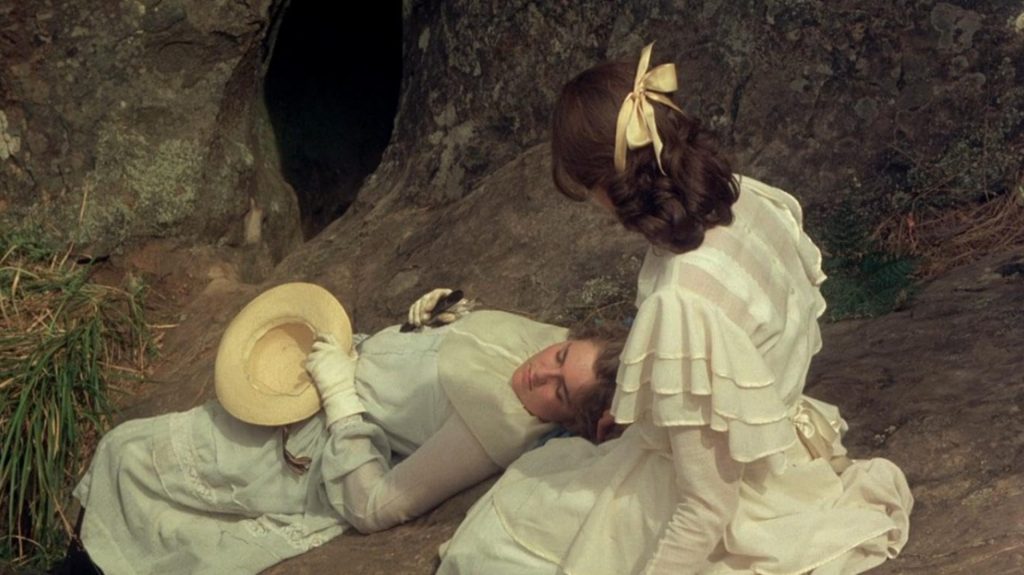
Ozploitation films, a more visceral and often sensationalist branch of this period, emerged along with the New Wave. With titles like The Cars That Ate Paris (1974), Long Weekend (1978), Harlequin (1980), Roadgames (1981), and Razorback (1984) leading the march. This movement embraced the darker, grittier side of genre cinema and showcased Australian filmmaker’s mastery of blending nasty visuals with morbid comedy.
American and British audiences, desperate for everything Australian after the popularity of films like Crocodile Dundee, were eager to lap it all up. Australia was undeniably cool and everyone wanted a piece.
It helped tremendously that Aussie horror felt so unique. The outback played host to many of these stories and it felt rugged and dangerous. A turn towards Italy’s Mondo inspired grittiness only added to this by making Aussie horror feel realistic and brutal.
Australian Horror’s Quiet But Important 90s
This prolific output in the 70s and 80s was followed by a relatively quiet 90s. Ozploitation had faded and the world’s obsession with everything Australian had started to decline. While Aussie horror movies were still being made, they didn’t see the same worldwide appeal that they enjoyed during the New Wave era.
Late British director Alec Mills tried to capitalise on the faded appeal of Oz horror with the girl’s school slasher movie Bloodmoon and thriller movie Dead Sleep in 1990. Though he was forced to trim Bloodmoon down significantly to gain a wider release after it was slapped with an R rating due to nudity and violence. 1993’s Body Melt and 1995’s Tunnel Vision were also fairly well known releases to horror fans.
The 90s, in Australian horror, would go on to be extremely important for another reason. Namely, the first ever horror film made by a female Aboriginal director – Bedevil (1993) by Tracey Moffat. Bedevil is an anthology horror featuring three ghost stories inspired by both European storytelling and Indigenous storytelling.
This movie challenged the racial stereotypes of Australian society and examined the impact of colonialism on the native people. Moffat blazed a crucial trail in Aussie horror cinema and showed how the medium could be used to examine matters of historical, and cultural, significance.
The 2000 release of extremely underwhelming slasher movie Cut (2000), starring pop star and actor Kylie Minogue, marked the end of a very disappointing decade in Australian horror. Luckily, things were about to get a whole lot better.
A Post 2000s Horror Powerhouse
Australia really cemented their reputation as one of the greatest horror nations on earth in the 2000s thanks to a brand new Aussie New Wave movement.
A renewed worldwide interest in Australian films and continued funding from Screen Australia flung the doors wide open for more Oz horror. If the 90s were quiet, the 2000s were absolutely screaming in agony thanks to a whole generation of gritty and nasty Australian horror films.
These movies took the hostility of the outback and turned it into a horror antagonist. Unrelenting, raw, uncompromising, and fiendishly violent. Australian horror was about to tap into the nightmare scenarios of getting lost in its unsympathetic and brutal rural landscape while also having to deal with some of its more uncivilised “locals”. The fact that many of these terrifying stories were based on real life only made Australian horror all the more chilling.
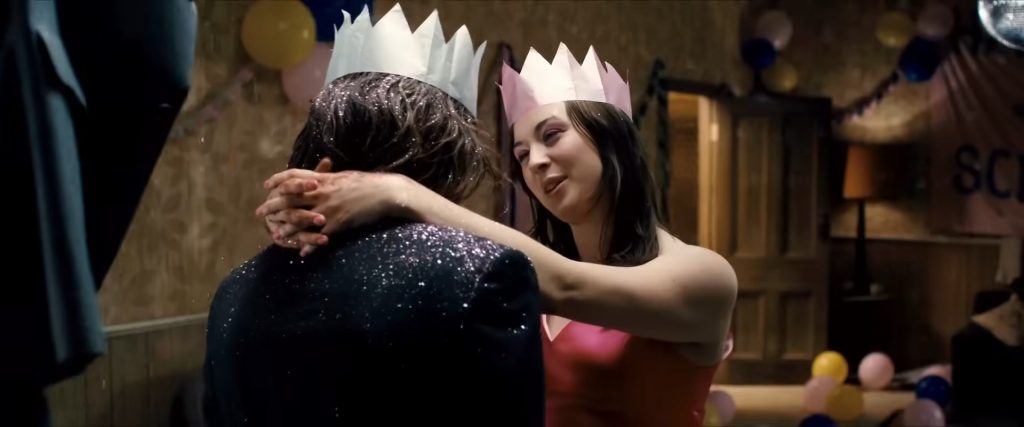
The outback horror renaissance brought us a whole bunch of movies that gained worldwide attention, despite mixed critical success. Titles like:
- Wolf Creek (2005)
- Black Water (2007)
- Rogue (2007)
- Storm Warning (2007)
- Dying Breed (2008)
- The Loved Ones (2009)
- The Snowtown Murders (2011)
- Killing Ground (2016)
- Hounds of Love (2016)
- Boar (2017)
These films took viewers into the outback and exposed them to all of its dark sides. Be it in the form of the creatures that inhabit it or the people who call it home and aren’t exactly welcoming to strangers. Many of these films combined comedy elements with some seriously visceral splatter-horror to create horror that feels distinctly Australian.
Horror For All Subjects
It isn’t just gritty survival movies and encounters with maniacs, though. Australia has released massively successful hits in all different kinds of horror sub-genres.
Their paranormal movies are among the best around, their slashers are both hilarious and gory, their zombie movies feel unique, and Australia broke new ground with their atmospheric psychological films that combine the supernatural with the metaphorical.
- Undead (2003): A small Australian town is overrun by zombies after a mysterious meteor shower.
- Lake Mungo (2008): A grieving family uncovers unsettling secrets while investigating the death of their teenage daughter.
- The Reef (2010): A group of friends stranded in the ocean are hunted by a relentless great white shark.
- The Tunnel (2011): Journalists investigating abandoned underground tunnels in Sydney encounter a terrifying presence.
- The Babadook (2014): A single mother battles grief and an eerie creature that manifests through her son’s storybook.
- Wyrmwood: Road of the Dead (2014): A mechanic fights to survive a zombie apocalypse in the Australian outback, using unconventional means.
- Down Under (2016): A satirical dark comedy about escalating violence between rival groups in the aftermath of the Cronulla riots.
- Cargo (2017): A father, infected during a zombie outbreak, races to find someone to care for his infant daughter before he turns.
- Little Monsters (2019): A kindergarten teacher, a washed-up musician, and her class fend off a zombie outbreak during a field trip.
- Relic (2020): Three generations of women confront dementia and a haunting presence in their family home.
- Bloody Hell (2020): A man with a dark past fights for survival after being kidnapped by a deranged family in a foreign country.
- Sissy (2022): A social media influencer’s weekend getaway turns sinister when she reunites with her estranged childhood best friend.
- Run Rabbit Run (2023): A fertility doctor begins to unravel as she encounters eerie occurrences tied to her past.
- Talk to Me (2023): A group of teens experiment with a supernatural embalmed hand, unleashing terrifying consequences.
- You’ll Never Find Me (2023): A storm traps a woman in a remote caravan park where she seeks refuge, only to find herself in danger.
- Birdeater (2024): A night of celebration in the outback turns into a surreal nightmare for a group of friends.
- Bring Her Back (2025): A supernatural thriller about a mother’s desperate quest to find her missing daughter in a haunted community.
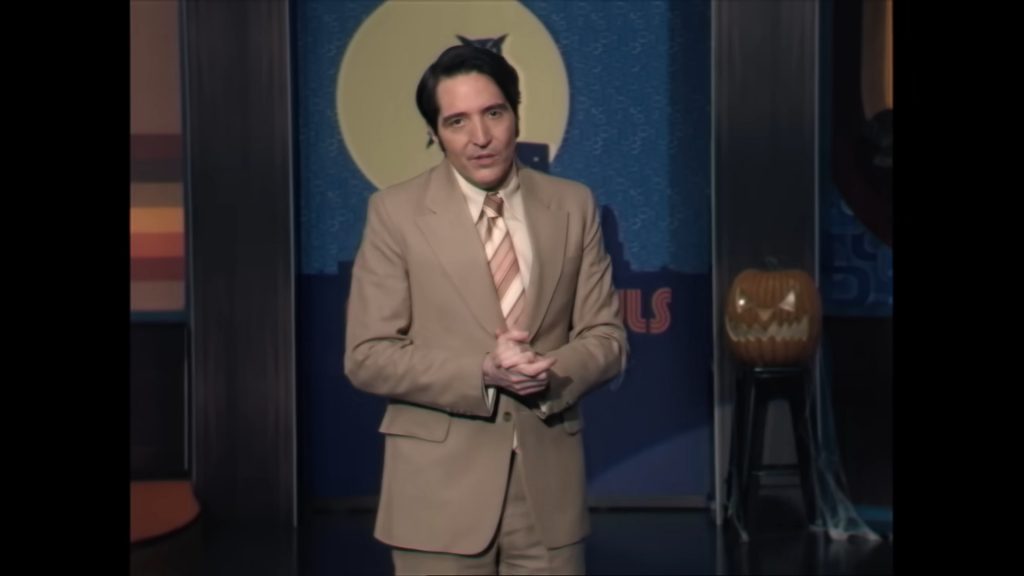
That’s without mentioning international horror collaborations like Better Watch Out (2016), Late Night with the Devil (2024), The Invisible Man (2020), and Sting (2024).
If you want to go even deeper, you can look at massive horror names like Australian directors James Wan and writer, director, Leigh Whannell as further evidence of Australia’s impact on horror.
Australia’s folk horror movies bear mention, as well. Unlike folk horror from Europe and America, these stories often reflect the experiences of the country’s Aboriginal population. With the themes and plots often drawn from indigenous oral histories and folklore. Films like The Darkside (2013) and The Moogai (2020) stand out as noteworthy examples of Aboriginal horror storytelling.
A few movies that could potentially be described as having folk-horror vibes but aren’t strictly horror deserve mention, too. Their stories reflect on the guilt felt by the country’s white population over their colonialist past. Recent examples include 2005’s The Proposition, Jennifer Kent’s The Nightingale (2018), and Donna McRae’s Lost Gully Road (2017).
🌑 Dreaming of Dread
You can’t talk about the current strength of Aussie horror without mentioning the rise of Indigenous voices. For decades, the “Australian landscape” in horror was a playground for white characters being hunted by outback maniacs. But a new wave of Aboriginal filmmakers is reclaiming that space, using 65,000 years of storytelling to create something profound.
It started with Tracey Moffatt’s groundbreaking Bedevil (1993), the first feature film directed by an Aboriginal woman. It was a surreal triptych of ghost stories that swapped jumpscares for an atmospheric, dreamlike interrogation of identity and memory. Fast-forward to today, and that legacy is thriving in films like the 2019 anthology Dark Place and Jon Bell‘s The Moogai (2024).
These aren’t just “scary movies”. The Moogai uses a child-stealing spirit as a chilling allegory for the Stolen Generations, turning historical trauma into a visceral supernatural threat. By blending ancient lore with modern social commentary, these filmmakers are proving that the most terrifying monsters aren’t hiding in the bushes – they’re woven into the very history of the land itself.
Why Is Australia Higher Than Canada?
For a country with only around 26 million people, it’s very impressive. The only knocks on Australia’s position is a fairly sporadic output, a shared language with the USA, the UK, and Canada, and a prior Aussie obsession in the West which meant it always had a leg up in just how many of their movies would be exported – whether good or bad.
So why is Australia above Canada, a country that you could argue is the birthplace of modern horror? Well, while both countries have produced some excellent horror, Australia earns the edge over Canada thanks to a uniquely identifiable national voice.
Aussie horror leans into the brutality and isolation of the outback, Ozploitation’s gritty creativity, and Indigenous storytelling, creating a distinct cinematic identity. Canada, despite landmark contributions from Cronenberg and others, has often relied on collaborations with the US or proximity to American markets, which can dilute its singular national impact.
You can’t point to many Canadian horror movies and say they are distinctly Canadian, they usually spend half the runtime pretending to be set in Ohio to appease the US box office, even to this day. You absolutely can do that with practically every Australian horror movie ever made. Australia doesn’t hide its accent; it weaponises it. Whether fair or not, it’s the rules of this ranking.
Considering population size, consistent output, and global recognition, Australia’s horror consistently punches above its weight, making its position at number 8 well deserved.
Australia may not churn out horror hits every year, but when it strikes, it strikes hard. From the New Wave and Ozploitation eras to the post-2000s outback horrors, Aboriginal folklore, and international hits, Aussie horror is uniquely gritty, inventive, and globally respected, punching well above its 26 million population.
- Consistency: Australia has been putting out horror on a regular basis since the 70s with only one real lull in the 90s.
- Historical Impact: Ozploitation and New Wave eras are very noteworthy for quality.
- Current Impact: Post 2000s Australian horror has been incredible and very noteworthy.
- Impact Above Expected: A shared language with the USA helps but still punching well above its weight.