6: South Korea – 10 Greatest Horror Movie Nations on Earth
Welcome to Ranking Horror. We are continuing our feature on The 10 Greatest Horror Nations on Earth. Today, we are checking out number 6 on the list – South Korea.
Table of Contents
This ranking measures horror nations by sustained influence, modern relevance, and impact above expectation, not just historical legacy.
This is another country that I really debated hard on when it came to its place on this list. In fact, at one point, I was thinking about putting South Korea in the top five. That’s how highly I rank a lot of their more recent horror movies. After some reflection, it became clear that a small handful of movies were doing a lot of heavy lifting.
I actually think that the thriller genre is where South Korea really shines. If this list was talking about thrillers, South Korea would be number 1. This is the genre they do best and some of their best horror movies are, in reality, closer to thrillers. That doesn’t mean that they don’t deserve to be on this list of Greatest Horror Movie Nations on Earth, though. In ten years time, they may be even higher.
As always, there are a few key factors we will be concentrating on and we will summarise those points at the end of the article. Let’s take a look.
- Consistency: How consistent has the country been in putting out decent horror movies.
- Historical Impact: How impactful has the country’s horror output been on the industry itself.
- Current Impact: How impactful are the country’s modern releases on the industry
- Impact Above Expected: How impactful has the country been considering their population.
6: South Korea – An Emerging Horror Powerhouse
The only real knock on South Korea, as a horror nation, is the lack of history. In fact, it’s actually rather interesting as South Korea’s history with horror cinema is deeply connected to the country’s turbulent political and societal landscape.
Unlike places like Australia and Canada, horror from South Korea didn’t really come in extended waves. It ebbed and flowed along with periods of creative freedom and creative repression in the country itself. The country experienced a “Golden Age” of cinema after the Korean war in the late 1950s and early 1960s. Horror benefited from this but the stories told were often infused with social commentary.
Some noteworthy titles were:
- The Housemaid (Hanyeo, 1960)
- A Bloodthirsty Killer (Salinma, 1965)
- The Public Cemetery Under The Moon (Wolha ui myoji, 1967)
While some of these titles incorporated traditional Korean folklore like vengeful female ghosts. Much of South Korea’s early horror was focused on Korean societal anxieties that were quite specific to the country itself. This meant that their appeal was extremely limited on a worldwide scale.
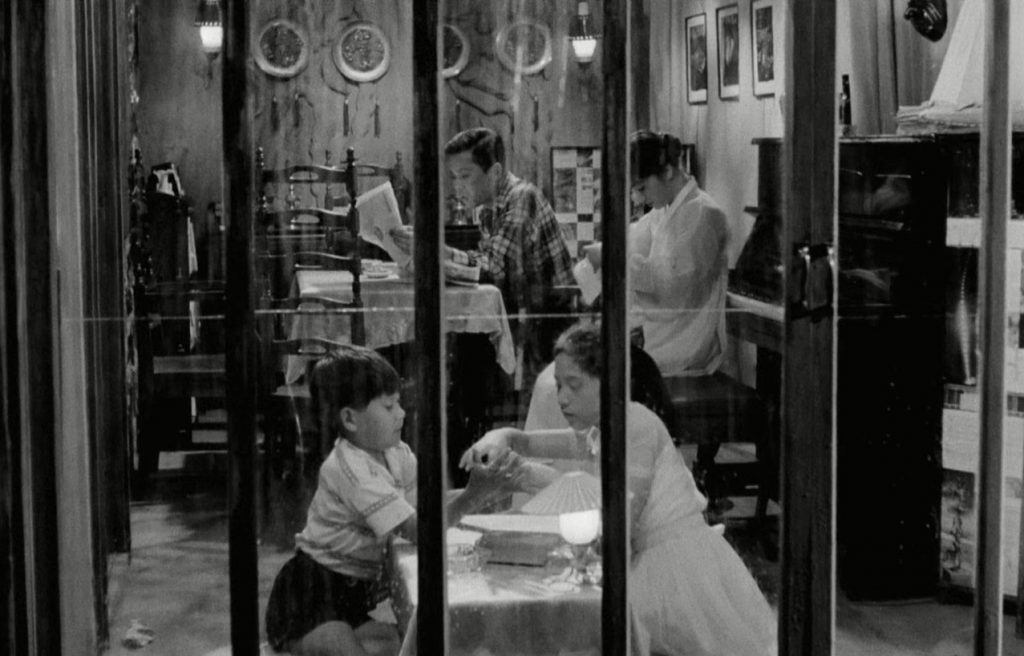
Something like The Housemaid (1960) caused a great stir in South Korean for its depiction of extra marital affairs. Compared to something like the UK’s Peeping Tom and America’s Pyscho, from the same year, it seems rather tame and reserved. This meant that South Korean horror couldn’t quite resonate with Western audiences in the same way it did in its home country. These movies were made for Korean audiences and Korean audiences alone..
While we can look back and appreciate these movies for their brilliance. At the time, there was no opportunity for them to gain any real traction at all. They were, for all intents and purposes, invisible to Western audiences.
The 80s – An Even Further Decline
South Korea’s authoritarian political climate played a big part in its lack of horror output during the 70s and early to mid 80s. Filmmakers experienced severe restrictions on the movies they could produce. In fact, the majority of filmmakers were forced to produce propaganda or movies that conformed to certain political narratives. Horror suffered even more than most other genres with a complete stagnation for many years.
Two noteworthy titles that managed to break through are Suddenly in Dark Night (Gipeun bam gapjagi, 1981), a movie which acted as something of a spiritual successor to The Housemaid, and Woman’s Wail (Yeoinhoksa, 1986), a supernatural period horror film.
After South Korea became more and more democratised, during the late 80s, filmmaking practices evolved and adapted. Censorship began to relax and filmmakers suddenly felt a new found enthusiasm for creativity and exploring formerly forbidden topics. Things were about to change in a huge way for South Korean horror.
The Late 90s Changed South Korean Horror Cinema
The newfound freedom of expression that was beginning to take hold in South Korean cinema opened the door to brand new possibilities. Suddenly, people could talk about previously forbidden topics and make movies that were thought provoking and controversial. This proved to be ground breaking for the horror genre.
Japan’s horror industry influence pressed heavily on South Korea and they were ready to show the world that they could make scary ghost stories, too. The Whispering Corridors series ushered in a new found fascination with everything supernatural. South Korea even made their own version of the novel The Ring, called The Ring Virus (1999), only a year after Hideo Nakata’s worldwide hit.
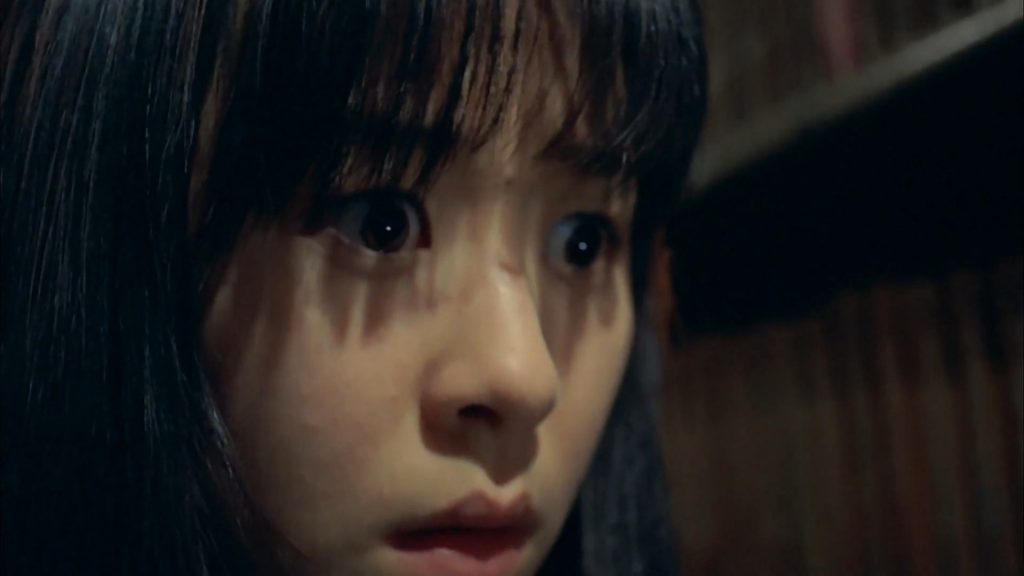
Titles that explored more realistic themes followed like psychological thriller The Hole (1997) and crime thriller Tell Me Something (1999). South Korean directors wanted to try their hand at every type of sub-genre and they succeeded in many of their ventures.
Psychological horror, supernatural horror, crime horror, thrillers, they all worked incredibly well. South Korean horror was right on the precipice of worldwide recognition and it would only have to wait a few more years to find it.
South Korean Horror Gets Global Recognition
South Korean horror evolved rapidly, building on the success of the Whispering Corridors series and diversifying its approaches. K-Horror had arrived in earnest. While supernatural ghost stories were still at the forefront. The concept of “Han” played centre-stage in many of its stories, allowing filmmakers to really dig deep into the horror bag in a number of different ways.
This uniquely Korean concept focused on the idea of unresolved regret, deep sorrow, and resentment would be incorporated into many of its films. Underpinning its supernatural stories while also forming the backbone of psychological films centred on themes of guilt, trauma, grief, and the deep scars left on people by the country’s history and very specific societal pressures.
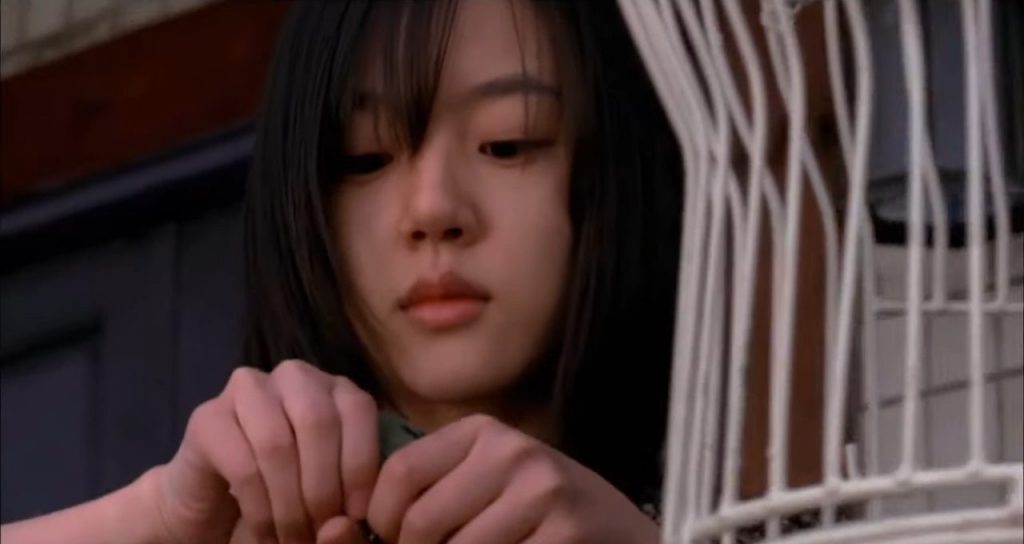
2003’s A Tale of Two Sisters was the first South Korean horror movie to receive an American cinema release. Bringing the idea of Han to an international audience, this was an absolutely incredible achievement for a country that wasn’t even making horror movies only 15 years prior. It is still considered, to this day, to be one of the best titles from the Asian horror boom period of the early 2000s.
Other supernatural movies would further key in on vengeful spirits and the concept of Han as a driving force. It was some of the more psychologically deep movies like 2003’s seminal thriller movie Oldboy that proved how versatile Han was as a driving force for horror narratives. Proving that it wasn’t just a cultural concept but, actually, a powerful emotional tool for forging legitimately deep and terrifying movies that were distinctly Korean.
South Korean Horror is Here to Stay
If movies like Whispering Corridors, A Tale of Two Sisters, and Oldboy, were an announcement of South Korea’s arrival on the global horror stage. The next 20 years were a profound statement that it wasn’t going anywhere.
It would only take a few more years for South Korea to remind the world how good it was at making horror movies. The Host came along in 2006 and made it clear that Japan wasn’t the only nation capable of producing incredible Kaiju films. Since then, South Korea’s horror output has been pretty relentless and incredibly diverse.
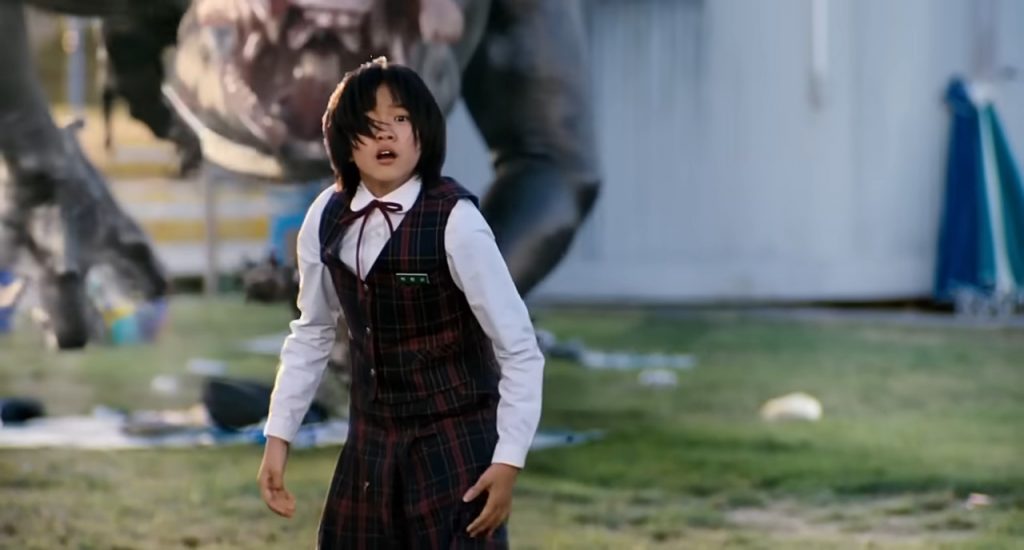
While retaining themes related to Han and societal commentary including stories of competition in both the work place and school as well as matters of class, poverty, and the patriarchy. South Korean horror cinema has shown to be both incredibly deep and capable of genre bending transgression.
K-Horror frequently uses subject matter like zombies and monsters as allegories for real world issues like politics and the environment. It also blends these topics with comedy, drama, and thriller elements to create horror movies that go far beyond the typically shallow nature of the genre.
K-Horror directors approach the genre with no hint of shame or contempt for the viewer. Unlike many similar films made in the west, Korean horror forgoes unnecessary exposition to allow the audience to draw its own conclusions.
These sophisticated and complex stories, combined with the high production value and, often, unflinchingly realistic violence, afford Korean horror a quality that is rare in modern horror cinema.
💔 The ‘Han’ Factor
To understand why South Korean horror feels so heavy, you need to understand “Han” (한). It’s a uniquely Korean concept that doesn’t quite have a direct English translation, but think of it as a concentrated cocktail of unresolved resentment, deep sorrow, and a burning sense of injustice.
In Western horror, spirits usually want to kill you because they’re just kinda evil. In K-horror, spirits usually want to kill you because they have unfinished business born from a lifetime of suffering. This “Han” is the engine behind masterpieces like The Wailing and A Tale of Two Sisters. It’s why the characters feel so desperate and why the scares often feel personal rather than just mechanical.
Even modern hits like Exhuma (2024) are powered by this intergenerational trauma. By tapping into the “Han” of the past, colonial scars, class warfare, and family secrets, South Korean directors create horror that resonates in your chest, not just your ears. It’s not just about jump-scares; it’s about a sadness so deep it has no choice but to scream.
An Horror Unstoppable Force
From the start of the 2000s, there has been at least one hugely significant South Korean horror movie every few years. While the country still trends towards paranormal stories, South Korea has shown a penchant for horror from every type of sub-genre, be it zombie movies, monster movies, survival horror, revenge horror, or found footage. The list of stellar releases is extensive, particularly when you include thrillers with horror themes.
- Oldboy (2003): A man mysteriously imprisoned for 15 years seeks vengeance and uncovers a shocking secret upon his release.
- A Tale of Two Sisters (2003): Two sisters return to their eerie family home and face dark secrets and sinister forces tied to their troubled past.
- The Red Shoes (2005): A cursed pair of red shoes wreaks havoc on anyone who dares to wear them, drawing them into a spiral of madness and death.
- The Cello (2005): A haunted cello brings despair and torment to a music teacher and her family, entwining their lives in a chilling melody of horror.
- The Host (2006): A dysfunctional family bands together to rescue a young girl from a monstrous creature born from pollution in the Han River.
- Missing (2009): A desperate mother’s search for her missing daughter unravels a horrifying secret in a remote fishing village.
- Thirst (2009): A priest turned vampire wrestles with his morality as he becomes entangled in a dark and passionate affair.
- Bedevilled (2010): A woman’s return to her isolated hometown unleashes repressed rage and a bloody reckoning against her oppressors.
- I Saw the Devil (2010): A special agent seeks brutal revenge against a serial killer who murdered his fiancée, blurring the lines between justice and monstrosity.
- A Record of Sweet Murder (2014): A journalist documents a killer’s chilling confessions as he claims his murders fulfill divine will.
- Train to Busan (2016): Passengers aboard a high-speed train fight to survive a fast-spreading zombie outbreak across South Korea.
- The Wailing (2016): A mysterious illness plagues a rural village, prompting a desperate investigation that spirals into the supernatural.
- Monstrum (2018): A legendary beast wreaks havoc during Korea’s Joseon era, forcing a band of unlikely heroes to uncover the truth behind its existence.
- Gonjiam: Haunted Asylum (2018): A live-streamed exploration of a haunted asylum takes a terrifying turn as the group confronts real horrors.
- #Alive (2020): A lone survivor battles isolation and encroaching zombies in his apartment as a city falls to chaos.
- The Closet (2020): A father investigates supernatural occurrences tied to his missing daughter and a haunted closet in their new home.
- The Call (2020): A woman discovers a phone that connects her to a stranger in the past, sparking a dangerous game of altering timelines.
- The Medium (2021): Thailand collaboration – A documentary crew follows a Thai shaman, only to witness a harrowing spiritual possession that spirals out of control.
- Exhuma (2024): A chilling tale of revenge and familial curses unfolds as ancient spirits awaken to torment a grieving family.
Again, many of these trend towards being thrillers, not full blown horrors; they are very transgressive. It’s noteworthy how well South Korea takes to absolutely any sub-genre, though. They have released one of the best received Kaiju style movies in modern times in The Host (2006), one of the best found footage movies in Gonjiam: Haunted Asylum (2018), and one of the best zombie movies in Train to Busan (2016). They can put their hand to anything and make it work.
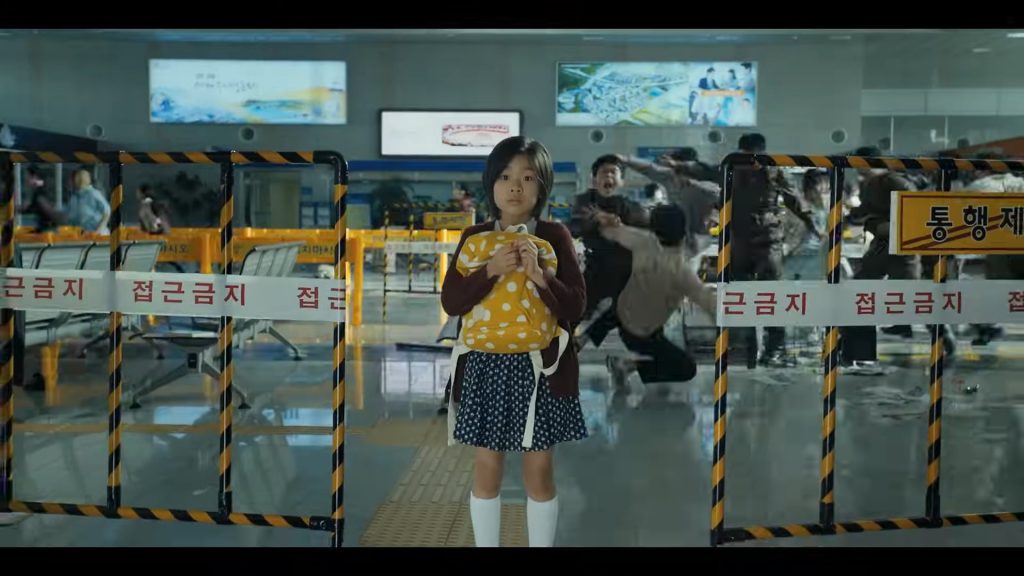
South Korea is a rich country with over 50 million people. The fact that they have only been making horror on a regular basis for 25 years is very impressive, though. They are, also, not part of the anglosphere so their influence, particularly since 2015, can’t be understated.
Japan’s influence is noteworthy as their early movies are very similar to Japanese horror. That is diminishing in recent years, however. South Korean horror is now uniquely South Korean. Their thrillers are among the best in the world, too.
So why have I placed South Korea above Canada, Australia, and even France? Well, it’s the sheer quality of the films and the consistency of its modern output. There is a hugely impactful K-horror practically every year. Barely anywhere on earth can claim that, especially places that aren’t in the anglosphere. Their horror adjacent movies, like Parasite, are even scooping up Oscars.
The quality of their horror is, perhaps, consistently the highest in the world. South Korea is well deserving of its place as 6th on this list of the Greatest Horror Nations on Earth.
You can take a look at all of our South Korean Horror content by clicking this link.
- Consistency: Since the 2000s, South Korea has been pretty consistent with at least one great title every few years.
- Historical Impact: Very little horror history and horror from the 60s onwards was very focused on Korean specific anxieties and fears.
- Current Impact: South Korea are putting out amazing horror movies every year.
- Impact Above Expected: A decent population, a rich country, influence from Japan but still impressive.
More Horror Lists You Will Love
- 10 Zombie Horror Movies People Need to Talk About More – Ranked
- 10 Frightening Female Directed Horror Movie Hits – Ranked
- 30 Depressing Winter Horror Movies Ranked from Bleak to Bleakest
- Sorry, Not Sorry: 2024’s 10 Most Overrated Horror Movies
- 10 Underappreciated Japanese Horror Films That Are Worth a Watch