1: The USA – 10 Greatest Horror Movie Nations on Earth
Welcome to Ranking Horror. We are wrapping up our feature on The 10 Greatest Horror Nations on Earth. Today, we are checking out number 1 on the list – USA.
Table of Contents
This ranking measures horror nations by sustained influence, modern relevance, and impact above expectation, not just historical legacy.
Come on, you knew this was coming, right? How could it possibly be anyone else? We are going to get into the numbers when it comes to the USA’s horror output and they are, quite frankly, staggering. No amount of negative experiences with Hollywood horror or overly formulaic remakes of international hits can possibly sour the US’s importance to the horror industry.
Sure, other countries may punch above their weight; other countries may have started horror first; and other countries might have a collection of films that you prefer, but none of them are as significant as the USA. It’s the most obvious number 1 in a top 10 list ever so let’s take a look at the USA’s horror history.
- Consistency: How consistent has the country been in putting out decent horror movies.
- Historical Impact: How impactful has the country’s horror output been on the industry itself.
- Current Impact: How impactful are the country’s modern releases on the industry
- Impact Above Expected: How impactful has the country been considering their population.
1. USA – The Ultimate Horror Destination
USA’s unique place as the world’s premiere media destination and overall dominance of all things entertainment has afforded it an enviable position when it comes to horror. An entire generation of American directors shaped, and continue to shape, the genre to this day. Not only that but the country attracts generational talent from all over the world.
When it comes to movie making and acting, the USA is the proverbial pot of gold at the end of the rainbow. It all started without words and without colour, back in the Silent Era.
The 1900s – Silent Beginnings
Much like France and the UK, the USA was experimenting with horror concepts during the late 1890s. Thomas Edison’s “Trick Films” brought stage magic to the big screen and often featured supernatural elements.
While these weren’t horror movies in the most recognisable sense of the word. Horror, as a whole, was an entirely undefined concept at this point. America’s first “horror film” is often considered to be Otis Turner’s lost movie Dr. Jekyll and Mr. Hyde from 1908. Though the stop motion film The Haunted Hotel from a year prior may also stake a claim to that title.
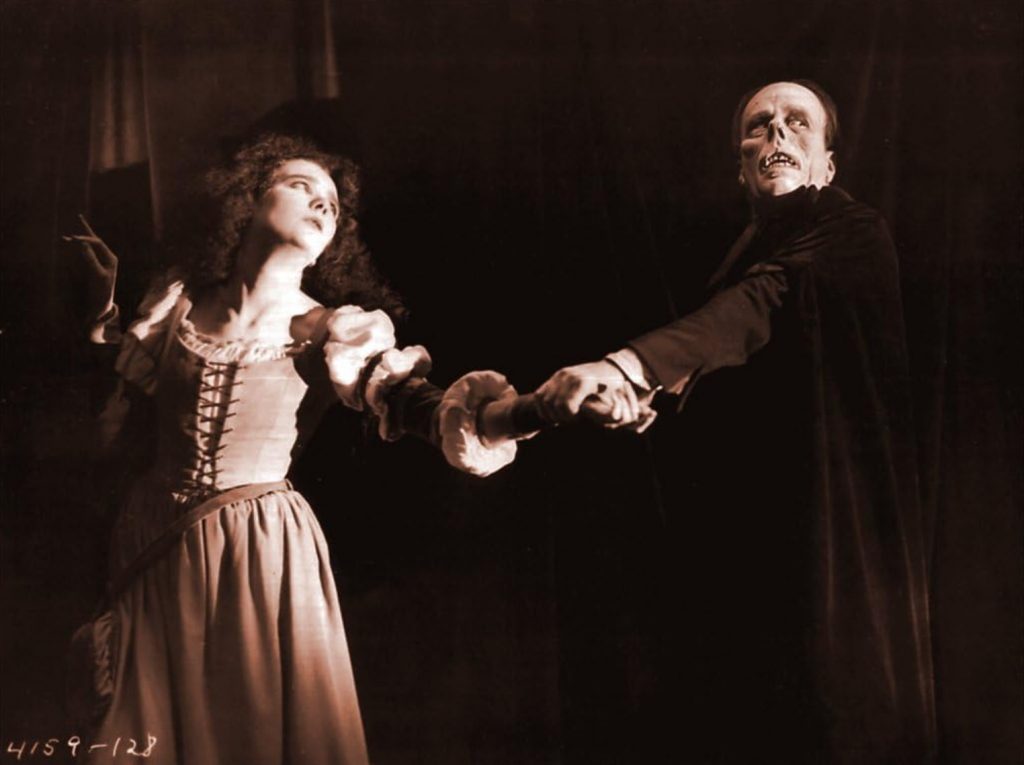
The twenties gave way to more ventures into spooky cinema with the releases of The Hunchback of Notre Dame (1923) and The Phantom of the Opera (1925).
German Expressionism’s influence was rippling around the world and America was no exception. With the movement enormously influencing the visual style of movies of the day. This was just the dawn of American horror cinema, however. An entirely more impressive era of American horror that was just around the corner.
The 30s – Universal Monsters – A Golden Age
This was the USA’s first true horror golden age. Universal Pictures brought to the world a whole array of monsters and villains from gothic literary masters like Mary Shelley, H.G. Wells, Bram Stoker, and Gaston Leroux.
Considered enormously ground breaking at the time, the special effects and intense themes were a revolution in both horror and cinema. In an America that was gripped by the Great Depression, these films offered a form of escapism. Giving viewers a chance to focus their concerns on some fictional monsters rather than the societal ones they faced every day.
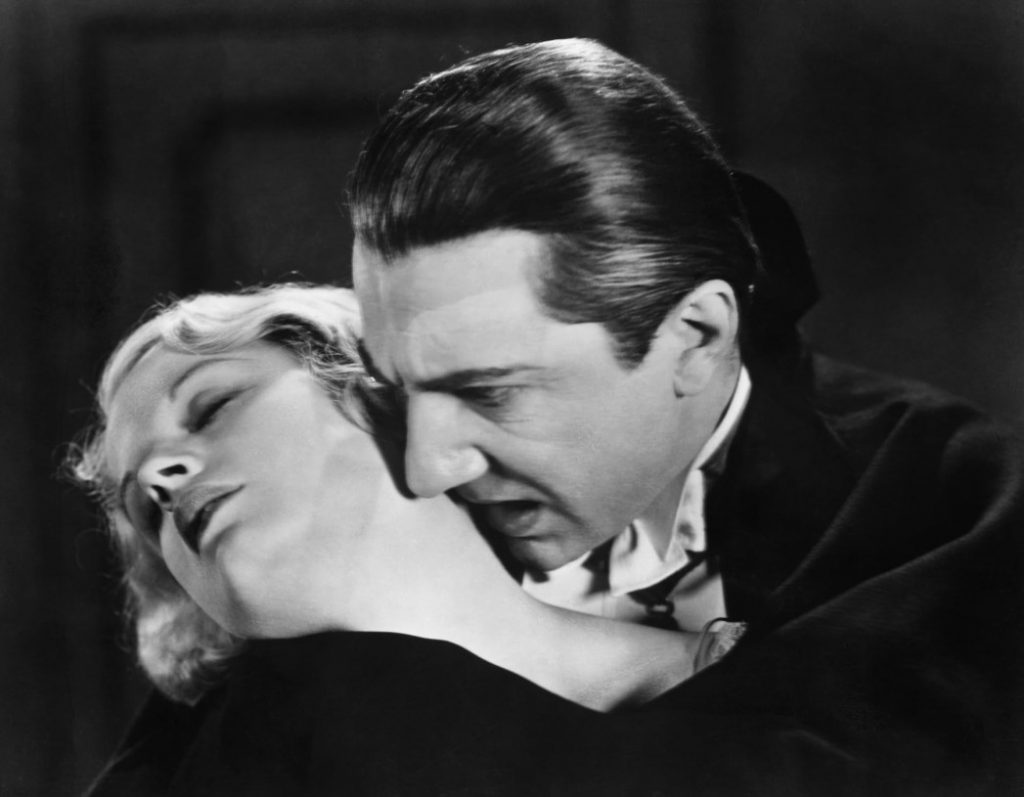
Iconic characters like Dracula, The Wolf Man, The Invisible Man, The Mummy, and Frankenstein became horror staples. Enormous stars like Hungarian actor Bela Lugosi and Britain’s Boris Karloff became cinema screen legends. Visionary talents like directors James Whale and Tod Browning, and producers like Carl Laemmle Jr. would define how a monster movie should truly look and feel.
The list of titles was impressive, especially given the time period.
- Dracula (1931) – Starring Bela Lugosi as the titular vampire.
- Frankenstein (1931) – Starring Boris Karloff as Frankenstein’s Monster.
- The Mummy (1932) – Starring Boris Karloff as the resurrected mummy, Imhotep.
- The Old Dark House (1932) – Not a traditional monster film but an important entry when considering its influence on “old dark house” sub-genre.
- The Invisible Man (1933) – Starring Claude Rains as the scientist who becomes invisible.
- Bride of Frankenstein (1935) – A sequel to Frankenstein, with Boris Karloff reprising his role.
- Werewolf of London (1935) – The first Universal werewolf film, though not as famous as later entries.
- Dracula’s Daughter (1936) – A sequel to Dracula.
- The Wolf Man (1941) – Starring Lon Chaney Jr. as Larry Talbot, who becomes a werewolf.
- The Ghost of Frankenstein (1942) – A continuation of the Frankenstein series.
- Frankenstein Meets the Wolf Man (1943) – A crossover between Frankenstein’s Monster and the Wolf Man.
- Son of Dracula (1943) – Starring Lon Chaney Jr. as Count Alucard (Dracula spelled backward).
- House of Frankenstein (1944) – A monster mash-up featuring Dracula, the Wolf Man, and Frankenstein’s Monster.
- House of Dracula (1945) – Another crossover with multiple monsters.
- Abbott and Costello Meet Frankenstein (1948) – A comedic take featuring Dracula, the Wolf Man, and Frankenstein’s Monster.
Many of these movies were impacted by the introduction of the Hays Code (roughly 1934–1968). Because of strict censorship regarding violence, sexuality, and “moral subversion”, filmmakers often had to rely on atmosphere, psychological dread, and clever metaphors rather than overt horror. This lead to another evolution of the genre as Universal’s dominance waned.
The 40s – A Step Towards the Psychological
The 1940s opened the door to a completely new kind of terror. The Hays Code was impacting the horror genre in a big way. Any film deemed to be promoting or endorsing unnatural, evil, or superstitious, ideologies would be placed on the chopping block.
Horror had to adapt and RKO Picture’s producer Val Lewton did just that. Rather than featuring overtly horror themes, Lewton resorted to suggestion, atmosphere, tension, and psychological horror to create legitimately scary films.
In fact, Lewton might be the person most responsible for the “sudden loud sound” jump scare that we are all so familiar with to this day. The Lewton Bus was a trope that consisted of a quiet, tense, scene featuring a character walking alone. Only for the tension to suddenly be broken by a loud, obnoxious, noise like a bus or truck screaming by.
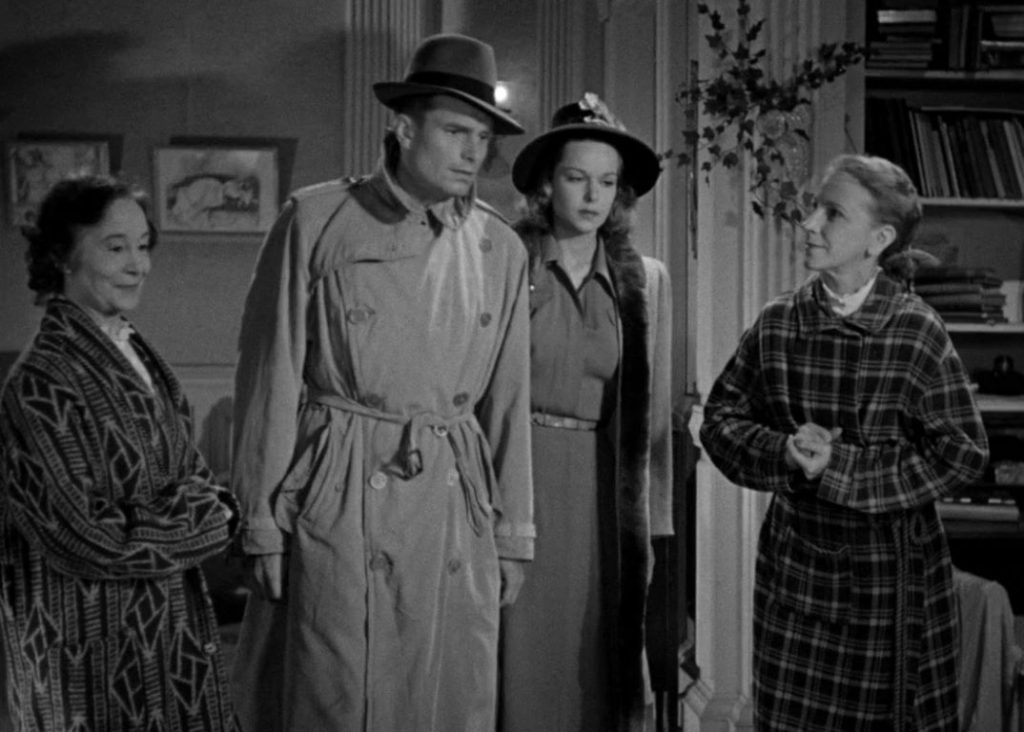
Naturally, the viewer will jump out of their skin but the character is completely fine. The noise simply acted as a representation of their nervousness or unease with their, either real or imagined, scary situation.
It’s hard to deny how effective these types of scares are and they were ground-breaking for the time. This trope is still heavily used in cinema to this day and, depending on your view on this type of scare, you have Lewton to either thank or curse for its prevalence.
Movies like Cat People (1942), The Seventh Victim (1943), and I Walked with a Zombie (1943) introduced the world to completely new ways to be scared. Whether by imagined threats, psychological collapse, and implied rather than overt horror. In some ways, the code era helped horror by forcing it to adapt in ways that still resonate to this day.
The 50s – Horror’s Atomic Anxiety
Much like the number 2 country on our list of the 10 Greatest Horror Nations on Earth – Japan. America was experiencing its own post-war horror wave that focused on the anxieties associated with a newly atomic age.
This anxiety gave way to a whole new breed of science fiction based horror. While sci-fi horror had its roots much earlier in movies based on H.G Wells’ novels, the massive leap in scientific progress from the 30s to the 50s sparked filmmaker’s imaginations.
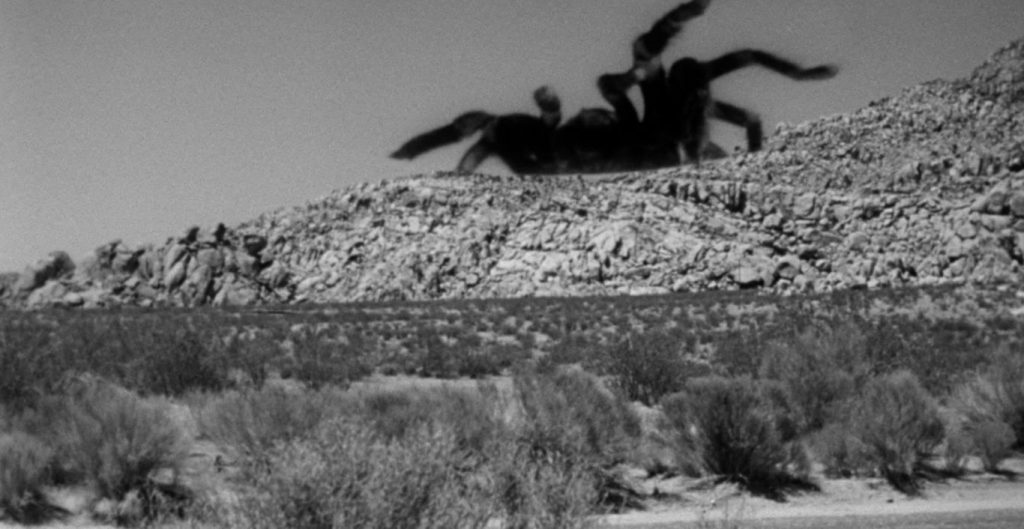
This lead to films that captured this tension and concern in the form of giant monsters causing havoc. Much like Japan’s Kaiju films, America was producing their own films that hinted at the impact of science gone mad. The Beast from 20,000 Fathoms (1953), Them! (1954 – giant ants), It Came from Beneath the Sea (1955), and Tarantula! (1955) were just a few examples of classic American monster movies.
America even Americanised Godzilla in the form of Godzilla, King of the Monsters! (1956) with additional scenes featuring actor Raymond Burr. The enormous monstrous mutations hinted at the anxiety the public felt at the dangers of unchecked scientific experimentation.
America was heading into a longstanding cold war that would only further influence horror filmmakers. From propaganda films like The Red Menace (1949) to more subtle, creative horror endeavours like The Thing from Another World (1951), Invaders from Mars (1953), It Came from Outer Space (1953), and Invasion of the Body Snatchers (1956). Science was shaping horror in incredible ways.
A 50s B-Movie Breakthrough
It should be noted that America was also enjoying a rather prolific B-Movie era at this point. The drive in movie theatre experience was attracting a whole generation of teens. All desperate to have an excuse for their best girl to jump into their arms in fear on a Saturday night.
Films like Bride of the Monster (1955), I Was a Teenage Werewolf (1957), I Was a Teenage Frankenstein (1957), Attack of the 50 Foot Woman (1958) and The Blob (1958) all perfectly fit the bill.
These movies often pivoted from the more traditional horror protagonists by featuring teenagers in the main roles. The posters promised outlandish frights but often failed to deliver thanks to low quality visual effects and very low budgets.
Still, these movies are tremendously important when you consider the advent of teen horror to come in later years. B-Movies showed that horror could be cost effective and targeted towards younger audiences who were more than willing to spend their money on cinema tickets.
The 60s Roll In and Horror Gets Dark
The 1960s pushed aside some of the anxieties of the atomic age to focus on something, somehow, even more terrifying – humans! Psychological horror, which had experienced popularity during the code era, suddenly reemerged.
British director Alfred Hitchcock changed the world with his 1960 American horror masterpiece Psycho. Taking cues from French psychological horror movies like Les Diaboliques; a movie which he had tried to purchase the novel’s rights to years before. Hitchcock weaved a twisting, turning, narrative full of intrigue and tension while also creating one of horror’s first modern iconic bad guys in Norman Bates.
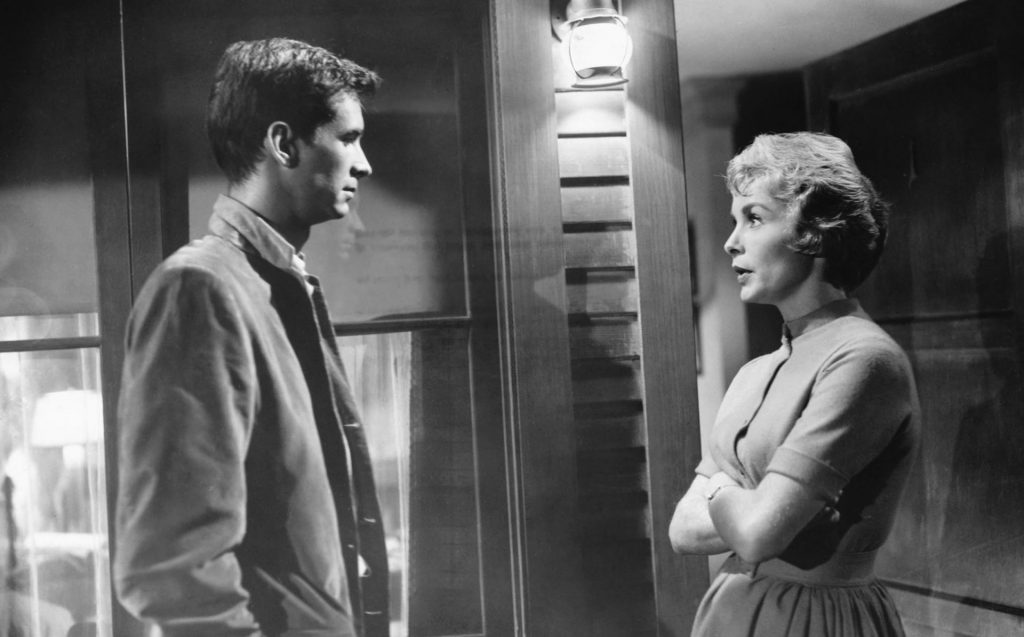
The film’s multiple twists set a benchmark for psychological horror to follow and helped popularise the concept of narrative misdirection in the genre.
Human’s would continue to act as terrifying antagonists for the rest of the decade. Be it in the form of serial killers like in Homicidal (1961), Cape Fear (1962), and The Boston Strangler (1968), barbaric criminals like (one of my personal favourites) Wait Until Dark (1967), or Satanic Cults as in Roman Polanski’s Rosemary’s Baby (1968).
Horror was becoming more and more transgressive; it was extremely common to see the melding together of formerly disparate themes and genres. Horror was also becoming a vehicle for important societal messages that still resonate today.
The 70s – American Horror Golden Age
The seeming innocence of the 50s had passed. The optimism of the general public in the 60s had been blown away by the rotors of Huey helicopters as they flew towards a war that much of the American public didn’t agree with. Pop artists and actors were singing about peace and America had developed a new found sense of cynicism.
While late 70s films like Apocalypse Now reflected the bleakness of war. Horror had developed its own new found sense of grittiness. The thriller movie Deliverance (1972) put the focus on the inhabitants of backwoods areas of America. The Texas Chain Saw Massacre (1974) would take this approach in an altogether more horror focused direction a few years later.
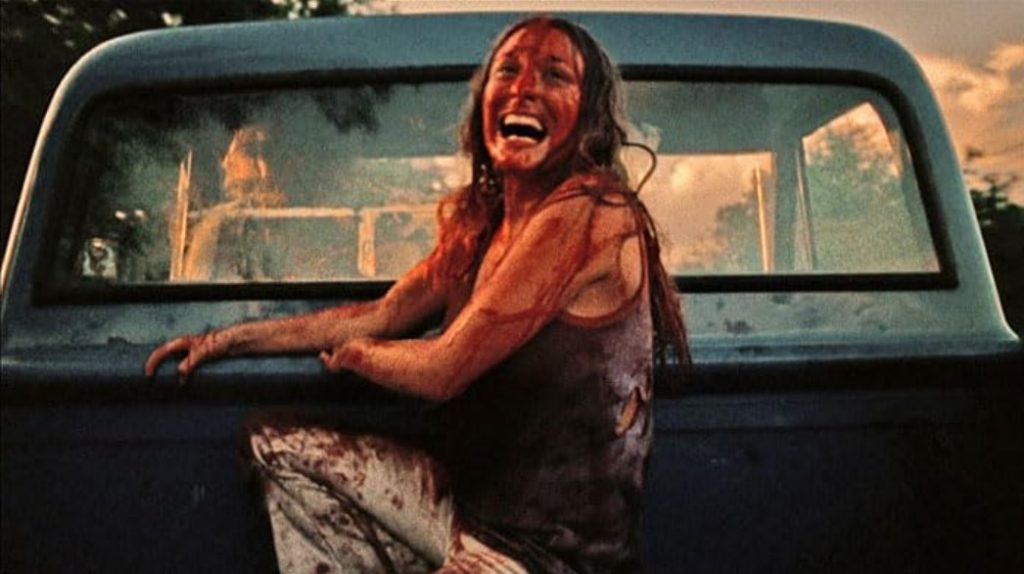
Films like Wes Craven’s Last House on the Left (1972) and The Hills Have Eyes (1977) put the emphasis on barbaric violence. Nobody was safe in America’s horror of the 70s. The ground work was being laid for the slasher genre to come and neighbouring Canada was more than willing to assist. American director Bob Clark jumped on Canada’s Tax Shelter Era to make his eponymous proto-slasher Black Christmas (1974).
Taking the idea of iconic villains from films like Psycho and the UK’s Peeping Tom and weaving it together with some seriously nasty violence. The slasher genre was developing before our eyes. Meanwhile, the 1975 Steven Spielberg hit Jaws was about to spawn a whole generation of killer creature copycats.
The 70s – Creatures Running Wild and Supernatural Scares
Cult horror creature features like Grizzly (1976), Orca (1977), Mako: The Jaws of Death (1976), and Piranha (1978) tried to replicate the formula that made Jaws such a massive success to mixed success.
Supernatural horror was experiencing something of a boom period in the 70s, too. The success of Rosemary’s Baby had shown that this form of horror could be used as a vehicle for mature storytelling. Films like The Omen (1976) and Carrie (1976) tapped into religious anxieties that were becoming more common in an increasingly modern and consumerist world.
The Exorcist (1973) still stands as one of the greatest horror movies of all time in the eyes of many critics. While preceded by similar possession themed movies like The Possession of Joel Delaney (1972). Few movies managed to combine religious elements with legitimately terrifying visuals with quite so much finesse.
The emergence of the body-horror genre in Canada via David Cronenberg inspired director David Lynch to direct his extremely bizarre but well loved film Eraserhead. A movie which taps into some very surreal topics to show that horror can be both scary and weird.
British director Ridley Scott would also incorporate some body-horror elements, like the iconic chest-buster scene, into his 1979 science fiction horror masterpiece Alien. Rounding out an incredibly impressive decade in American horror cinema.
The Bloody 80s and a Slasher Boom
The 80s arrived off the back of the emergence of the slasher genre which was about to dominate. The 70s bowed out with 1978’s Halloween refining and perfecting the techniques that made Slasher movies so captivating.
The decade opened up with the first in the Friday the 13th series. This franchise demonstrated the mechandise potential of villains like Jason Vorhees. Something that would go to be the trend that defined this era.
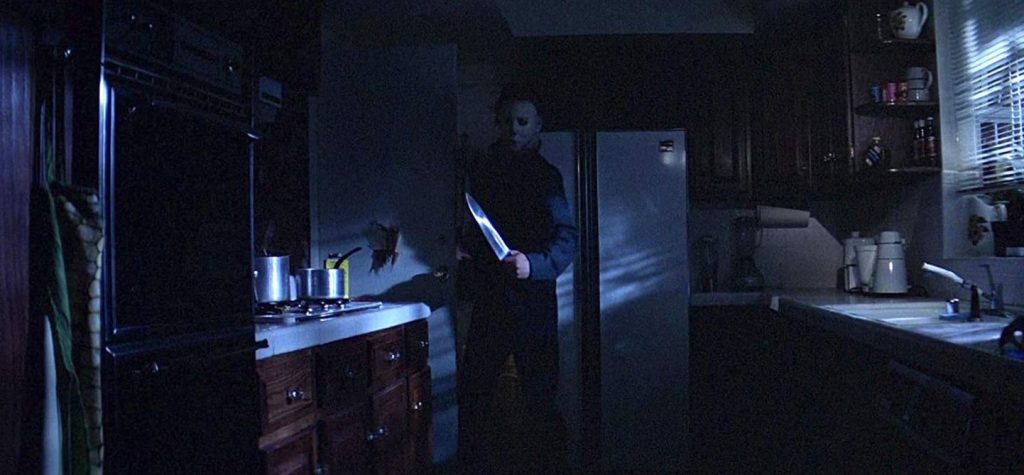
A Nightmare on Elm Street (1984) would see another iconic horror character emerge in the form of Freddy Kruger. Child’s Play (1988) would jump in later on to introduce the world to the manic doll Chucky. All of these series would spawn numerous sequels, spin-offs, collaborations, and remakes.
The 80s – A Decade Full of Classics
Though Slasher’s were dominant in the 80s, the decade also saw the advent of some of horror’s greatest ever films. Stanley Kubrick’s The Shining (1980) opened the decade as a genuine contender for the best horror movie ever made. The supernatural shenanigans continued in 1981 with The Evil Dead and 1982 with Poltergeist.
1981’s An American Werewolf In London is widely regarded as one of the better werewolf movies. 1982’s The Thing is, again, widely counted among the greatest horror movies ever made.
It would be remiss of me not to mention Canadian director David Cronenberg’s American body-horror, science-fiction movie The Fly from 1986, too. It proved old concepts could still work through a modern eye.
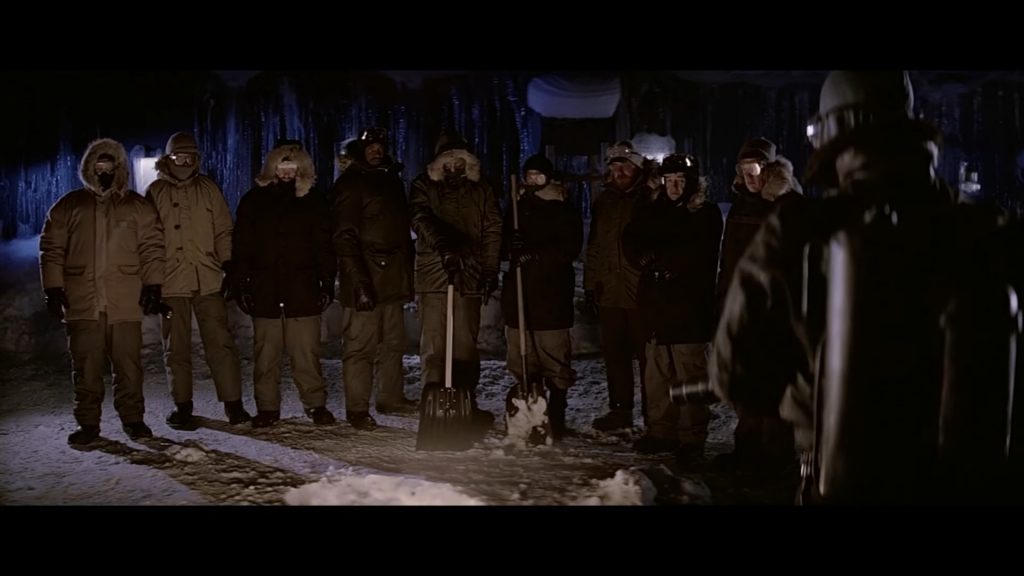
The 80s were keen to demonstrate a lighter side to the genre, as well, with movies like Ghostbusters (1984) and Beetlejuice (1988) deserving special mention.
Tom Holland’s 1985 movie Fright Night managed to draw together the modern idea of 80’s comedy horror with America’s Universal Monsters past. Featuring a vampire antagonist and the appearances of actors from horror history.
The 90s Tries it All – Supernatural, Psychological, & Gothic
The 90s opened with almost a degree of fatigue for the horror genre. Viewers were demanding more and slashers were now passé.
1991’s The Silence of the Lambs demonstrated a true mastery of psychological horror. It combined an iconic villain in Hannibal Lecter with a compelling heroine in Clarice Starling. All while proving that horror storytelling could be ruthlessly mature and more than deserving of Oscar buzz.
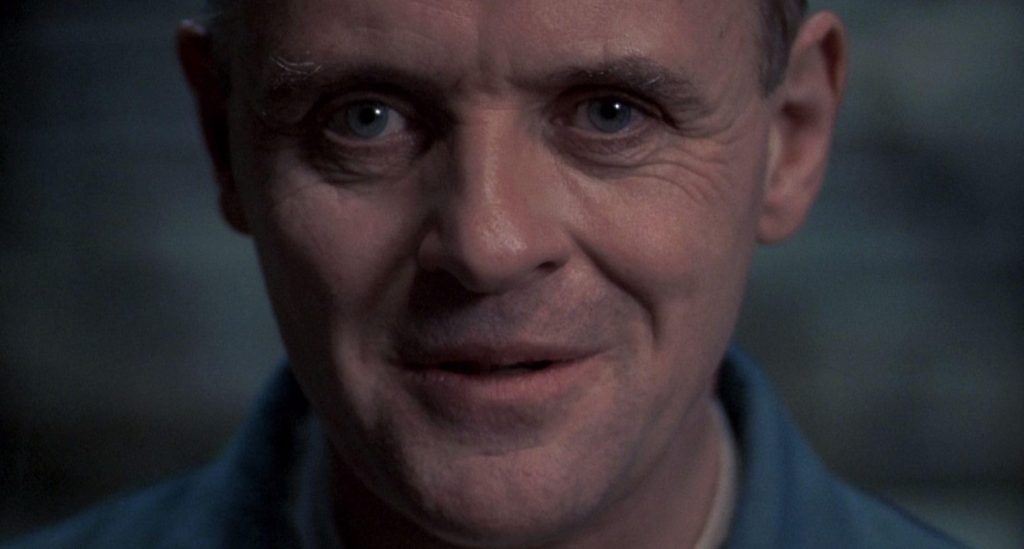
I have to point out 1992’s Candyman by British director Bernard Rose, too. It’s one of my favourites and a great example of a transgressive film that combines a brooding supernatural plot with an iconic, almost slasher-adjacent, antagonist.
Gothic horror had a few notable entries during the 90s. I think Interview with the Vampire (1994) and its non-linear timeline deserves a mention for its merging of classic aesthetics with modern settings.
Francis Ford Coppola also took on the Vampire genre with his erotic horror movie Bram Stoker’s Dracula (1992). Tim Burton’s Sleepy Hollow (1999) rounded out the decade in gory fashion, as well.
The 90’s – Traditional Horror Themes Through a Modern Lens
Vampire films would truly be welcomed into the modern age by the action horror movie Blade in 1998. This film proved that horror concepts that had started to feel a bit musky and old could be incorporated into legitimately exciting and current feeling flicks.
The slasher genre was about to receive a 90s fresh coat of paint too, with Wes Craven’s ground-breaking teen-horror Scream.
Craven, who had been fairly active in the decade with films like The People Under the Stairs (1991), incorporated meta self awareness into the genre and made it feel utterly fresh. The mystery element at the heart of the story felt like a maturation while the trendy cast and self-aware comedy made the film feel “cool”.
Slashers were back and a whole wave of copycats were about to follow. Films like I Know What You Did Last Summer (1997) and Urban Legend (1998) copied the teen-centric format and padded their casts with good-looking young actors and actresses.
The 90s would bow out with some incredibly huge horror hits. The world was introduced to the often contrived, twist-heavy narratives of director M. Night Shyamalan with 1999’s The Sixth Sense. We also saw the advent of found footage, first with 1998’s The Last Broadcast and then with the immensely successful The Blair Witch Project. Horror was changing yet again.
The 2000s – American Horror Lost Its Identity
The 2000s era of American horror became its most divisive. Curiosity evaporated, and translation became king. Unsure of its own horror identity, the industry began wearing the flayed skin of everyone else’s.
Movies like 2002’s The Ring, 2004’s The Grudge, 2005’s Dark Water, 2008’s One Missed Call, and 2008’s The Eye all highlighted an industry that was keen to make quick cash with minimal effort. Often losing the original film’s scares and charm in the process. The Ring stands as one of the best.
Torture Porn horror really began to take off with movies like Saw (2004) and Hostel (2005) inspiring a desire in people for realistic and brutal violence. Thematic depth and story was secondary to visceral visuals and blood letting.
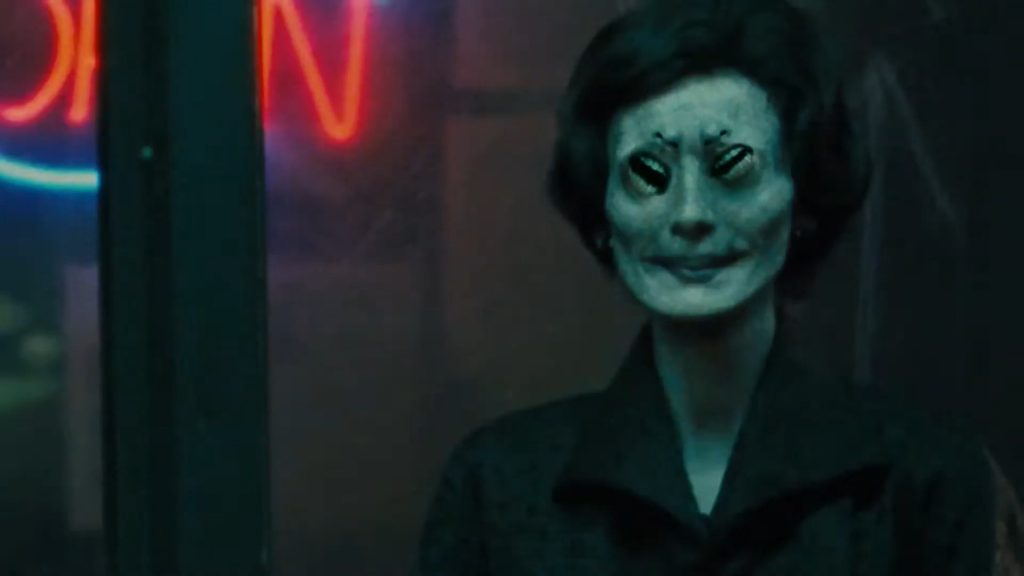
New French Extremity found an international audience in fans of America’s torture porn horror and more remakes would follow. Inside (2016) and Martyrs (2015) deserve special mention for how poor quality they are.
The 2000s – Found Footage and Legacy Sequels
Found Footage films enjoyed success before eventually inspiring fatigue in viewers thanks to their proliferation. For every brilliant film like Paranormal Activity (2009), Cloverfield (2008), and Chronicle (2012) there were ten low budget FF films that offered very little to horror fans. This trend still persists to this day.
Hollywood’s remake culture began to stretch to its own classic horror movies. Halloween, Child’s Play, Friday The 13th, The Texas Chainsaw Massacre,The Hills Have Eyes, and the Hellraiser series all saw either remakes or legacy sequels.
Each iteration released to diminished returns and an overall sense of fatigue with viewers.
American horror was absolutely dominating the box office but culturally, it seemed a little embarrassed at the idea of telling new stories.
The 2010s – American Horror Found Its Voice Again
The 2010s saw American horror find its identity again. Much of that is off the back of a revival in psychological horror and films steeped in atmosphere sparked by the success of the Australian film The Babadook. This is a title that demonstrated that horror could be far more elevated, vague, and metaphorical which opened the door to new ideas.
Incredible directors like Ari Aster, Jordan Peele, Robert Eggers, and Ti West are taking the genre in a new direction. Horror doesn’t have to be so constrained by what will sell; filmmakers can take risks. Independent horror is on the rise and fans value films that try something new.
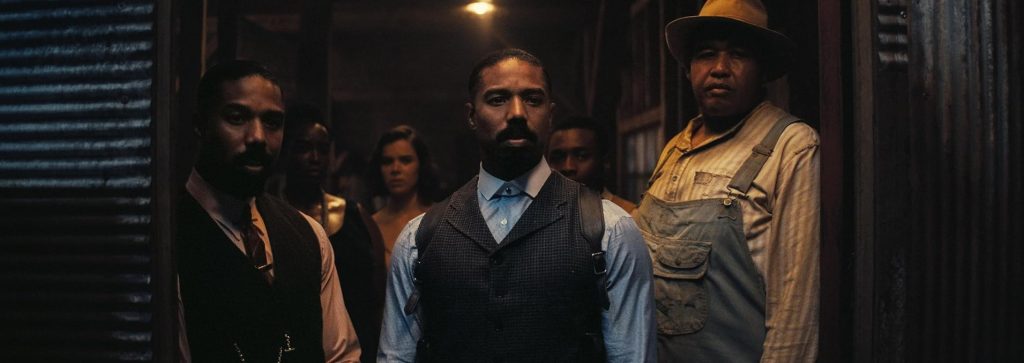
A whole new wave of minority directors are bringing their own personal experiences and anxieties to the genre, as well. Whether it is people of colour, indigenous filmmakers, LGBTQ+ directors and writers, or other minority representatives. The rise of streaming platforms offers people a non-traditional method of sharing their visions and is giving a voice to a much broader community.
While it is easy to feel a little jaded with modern American horror, particularly where some of the more generic offerings are concerned. The future is extremely bright and America will, undoubtedly, continue to be the most prolific producer of horror on earth.
Behind the often repetitive horror trends that have defined much of the 2000s, there are some of the most impressive, artistic, and creative movies ever made. That is sure to continue in the future. The USA is the number 1 horror movie nation on earth when it comes to output and importance to the genre.
For perspective, America produces over 73% of the world’s horror movie content. The UK is second with a remarkably low 10%. Whether it is your personal favourite is up for debate. The truth is the truth. The USA isn’t just a country that makes horror… It is horror and we should all be grateful for how it has propped up the industry in its darkest moments. I know I am.
- Consistency: Over 100 years of horror domination and consistent releases.
- Historical Impact: The USA has propped up the horror genre when it was flagging, defined the genre as a whole, and shaped it into what it is today.
- Current Impact: Great horror movies are released by the USA every year without fail.
- Impact Above Expected: It’s the USA, they dominate the media in the anglosphere, are the richest country on earth, and the most capable of achieving dominance in any one form of media so their impact is as expected.
More Horror Lists You Will Love
- 10 Underrated Recent Found Footage Horror Movies You Should Watch
- 10 Most Disturbing Japanese Horror Movies Ever – Extreme J-Horror Ranked
- 10 Horror Movies That Master Surreal Horror, Liminal Spaces, and General Oddness
- 10 Incredibly Depressing Movies To Completely Ruin Your Day – Ranked (Spoilers)
- 10 Enjoyable Cryptid Themed Horror Movies – Ranked (Spoilers)