10 Best Classic Japanese Horror Movies From Before The J-Horror Boom
Welcome to Ranking Horror. Today, I want to expand on what Japanese horror looked like before the turn of the millennium with 10 Best Classic Japanese Horror Movies From Before The J-Horror Boom.
Table of Contents
We talked all about Japan’s horror movie history when we placed the country at number 2 on our list of the 10 Greatest Horror Nations. While Japan’s late 90s horror boom period stands out, they were no slouch in the pre-90s era, either. While they weren’t a prolific horror movie making nation, there are some Japanese horror titles from the past that absolutely deserve attention.
Today, we are going to be looking at ten of these titles. We won’t be talking about any Kaiju films here, so don’t be surprised by the absence of Godzilla; we will talk about those in a future list. We also won’t be including one of the greatest movies ever made – Woman In The Dunes – as it isn’t really a horror movie; it’s more of a thriller. Without further-ado, let’s take a look.
| Rank | Movie Title (Year) | The Pre-Boom Vibe |
|---|---|---|
| 1 | Kwaidan (1964) | Breathtaking Traditional Anthology |
| 2 | Onibaba (1964) | Atmospheric Period Lust & Paranoia |
| 3 | The Face of Another (1966) | Cerebral Post-War Identity Crisis |
| 4 | Kuroneko (1968) | Vengeful Spirits & Kabuki Dread |
| 5 | Blind Beast (1969) | Disturbing Sado-masochistic Art |
10. Goke, Body Snatcher from Hell (1968) – Pulp Sci-Fi Invasion
- Director: Hajime Sato
- Cast: Teruo Yoshida, Tomomi Sato
- Runtime: 84 minutes
- IMDb Rating: 6.1/10
Why it Ranked: Goke, Body Snatcher from Hell is a unique take on the body snatching trope of the 50s with a distinct Japanese flavour. While the premise feels like it would be perfectly at home in the 1950s science-fiction horror wave of the USA, the movie has a wacky Japanese vibe and an “exploitation horror” aesthetic. Apparently, this is one of Quentin Tarantino’s favourite films, and that alone warrants a watch, right?
Synopsis: After flying through a mysterious glowing cloud, a plane is forced to crash-land. The survivors soon discover they are being hunted by a blob-like alien entity that inhabits human hosts, leading to a horrifying realisation that the entire world is at risk from an extra-terrestrial invasion.
Where to Watch: Criterion Channel, Amazon (Rent/Buy)
9. Evil Dead Trap (1988) – Sleazy Slasher Sadism
- Director: Toshiharu Ikeda
- Cast: Miyuki Ono, Yuji Honma
- Runtime: 102 minutes
- IMDb Rating: 6.2/10
Why it Ranked: Despite the title, this has no connection to the Sam Raimi classics. Many Western viewers discovered it as a result of the J-horror boom, and it is now a cult classic for its graphic violence and dreamlike imagery. The gritty, sleazy, exploitation stylings earned it renown for merging Giallo aesthetics with slasher themes. It brazenly wallows in its sadism, offering a flavour of J-horror that likely slipped under your radar.
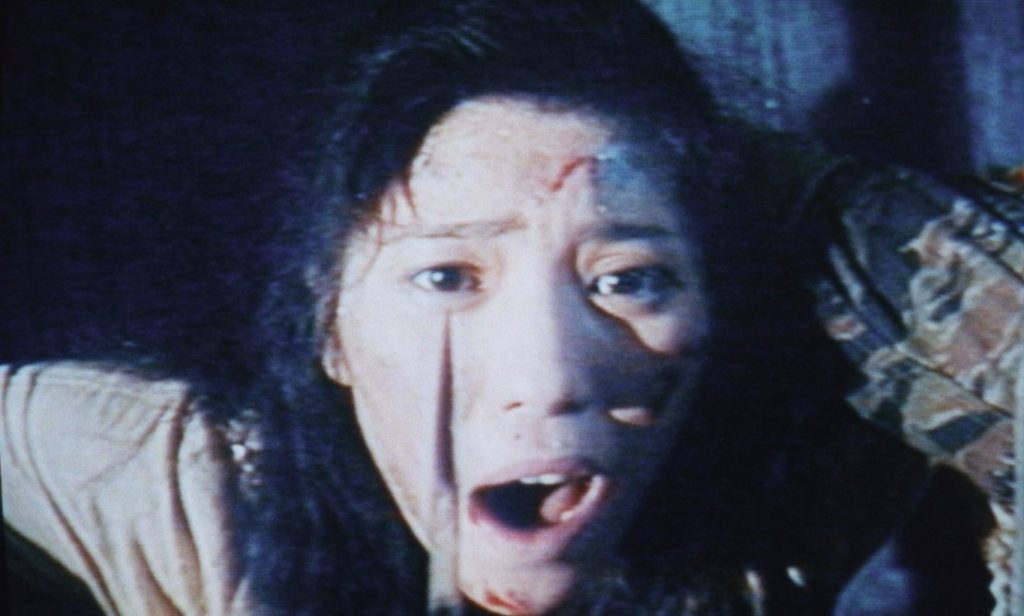
Synopsis: The host of a late-night talk show receives a snuff film and heads to an abandoned factory to investigate. She and her crew are soon ensnared in a set of increasingly sinister and violent death traps orchestrated by a mysterious, masked figure.
Where to Watch: Midnight Pulp, Amazon (Rent/Buy)
8. The Living Skeleton (1968) – Pulp Kaidan at Sea
- Director: Hiroshi Matsuno
- Cast: Kikko Matsuoka, Yasunori Irikura
- Runtime: 80 minutes
- IMDb Rating: 6.4/10
Why it Ranked: Directed by Hiroshi Matsuno, The Living Skeleton (Kyûketsu dokuro-sen) is a solid example of Japan’s rich tradition of ghost stories. In fact, you could go as far as to say it was a modern revival of the Kaidan (strange stories) traditions of old. It starts off as a moody and atmospheric chiller before suddenly going full pulp-horror with a ton of violence and some brilliant revenge-themed blood-letting. It’s an eerie, sea-drenched gem that somehow manages to feel both ancient and contemporary.
Synopsis: After her twin sister and husband disappear at sea, a young woman discovers chained human skeletons at the bottom of the ocean. Soon, a ghostly ship appears, calling her by name and triggering a terrifying sequence of supernatural vengeance.
Where to Watch: Criterion Channel
7. Sweet Home (1989) – The Survival Horror Genesis
- Director: Kiyoshi Kurosawa
- Cast: Nobuko Miyamoto, Shingo Yamashiro
- Runtime: 101 minutes
- IMDb Rating: 6.4/10
Why it Ranked: Believe it or not, Sweet Home is cited as the influence for the incredible survival horror game Resident Evil. The Resident Evil series is one of my personal favourites and probably a big part of the reason I love horror so much. While more adventurous in tone than Kurosawa’s later psychological works like Pulse, it still delivers effective scares and an eerie atmosphere. It’s a pivotal film in the evolution of Japanese horror, proving that haunted house tropes could work just as well in an “adventure-horror” context.
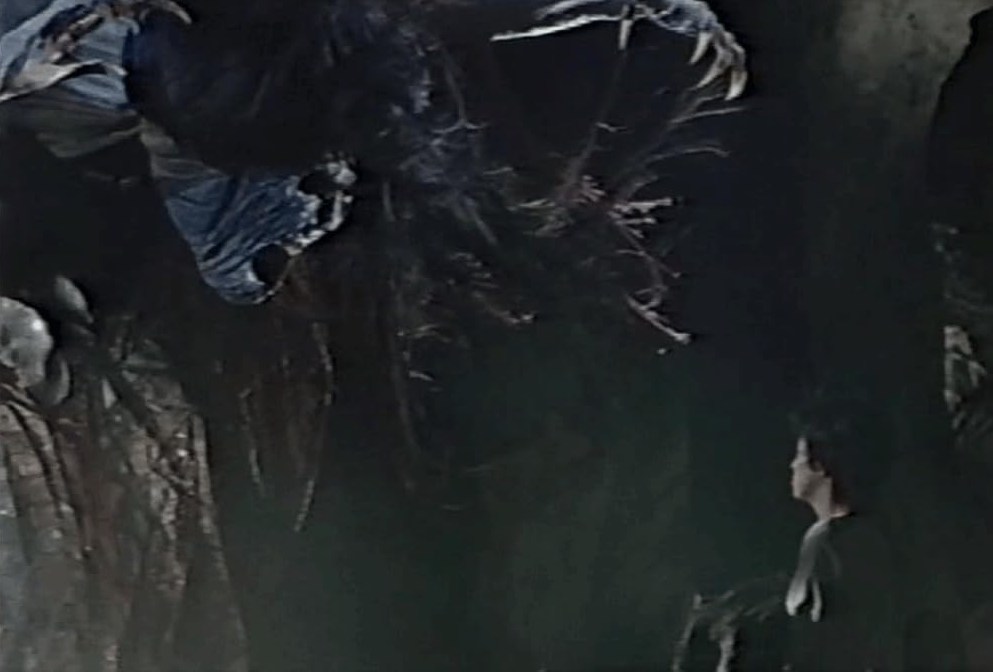
Synopsis: A television crew enters the abandoned mansion of a famous painter to document his frescos. They quickly find themselves under attack by the malevolent spirit of the painter’s deceased wife, forced to solve puzzles and survive the supernatural onslaught.
Where to Watch: YouTube (Free), Rare Horror Imports
6. Jigoku (The Sinners of Hell) (1960) – A Vision of Damnation
- Director: Nobuo Nakagawa
- Cast: Shigeru Amachi, Utako Mitsumura
- Runtime: 101 minutes
- IMDb Rating: 6.8/10
Why it Ranked: While most classic Japanese horror of this era was pretty restrained, Jigoku stood out for its gore and disturbing depictions of the afterlife. It’s an uncompromisingly grim film that explores the Buddhist concept of karmic retribution. Even today, the nightmare imagery and visceral characterisation of damnation are pretty damn powerful and rather unsettling.
Synopsis: A band of morally depraved people, connected by a series of tragic accidents and murders, find themselves descending into the various levels of Buddhist Hell, where they are subjected to horrific tortures tailored to their earthly sins.
Where to Watch: Criterion Channel
Before the Boom: Kaidan and the Roots of J-Horror
To understand the movies on this list, it helps to understand Kaidan (怪談). Literally translating to “strange discussion”, these aren’t just your typical Western ghost stories – they are a cultural backbone that dates back centuries.
- 🕯️ The 100 Candles: Historically, Kaidan were told in a game called Hyakumonogatari Kaidankai. Participants lit 100 candles and extinguished one after each tale. As the room grew darker, the spiritual tension was said to summon a real supernatural presence.
- ❄️ Summer Scares: In Japan, ghost stories are traditionally for summer, not winter. The “chills” from a scary story were seen as a way to cool down during the humid August months of the Obon festival.
- 🎭 Atmosphere over Action: Unlike the technological curses of Ringu or Ju-On, classic Kaidan focuses on Onryō (vengeful spirits) and Yōkai (monsters). They are often tragedies rooted in betrayal, sorrow, and karmic retribution.
While modern J-horror is more focused on the randomness of a curse, classic Japanese horror is all about the weight of the past – something you can clearly see in masterpieces like Kwaidan and Onibaba.
5. Blind Beast (1969) – Erotic Obsession
- Director: Yasuzo Masumura
- Cast: Eiji Funakoshi, Mako Midori
- Runtime: 84 minutes
- IMDb Rating: 7.0/10
Why it Ranked: Blind Beast (Môjû) is a legitimately disturbing exploration of erotic horror from director Yasuzo Masumura. Contemporary reviewers described it as a “sick film”, and while time has dulled that impact just a tad, its sado-masochistic themes remain impactful and divisive. It has a weird, tongue-in-cheek feeling that makes it weirdly amusing at times, but if you want something completely outside the J-horror norm, this is it.
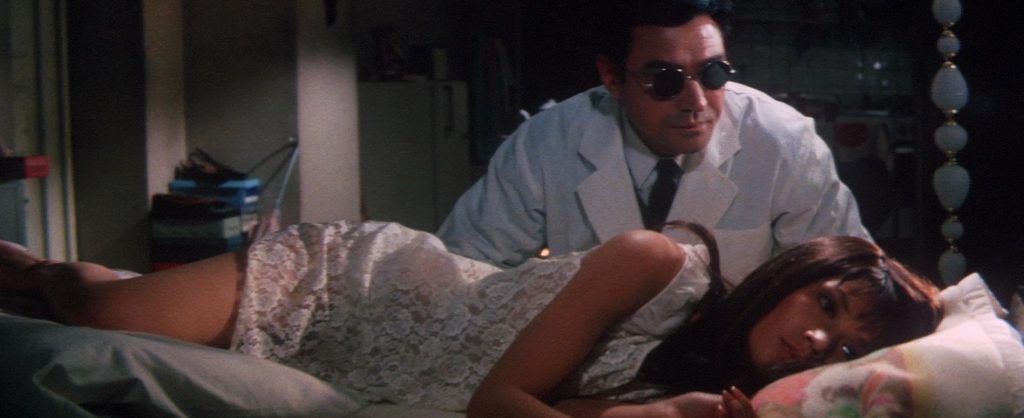
Synopsis: A blind sculptor kidnaps a model and imprisons her in an atelier filled with giant, tactile sculptures of female body parts. He subjects her to a world of sensory degradation, attempting to create the ultimate masterpiece through a twisted obsession with touch.
Where to Watch: Arrow Video, Amazon (Rent/Buy)
4. Kuroneko (1968) – Shadows and Vengeance
- Director: Kaneto Shindo
- Cast: Kichiemon Nakamura, Nobuko Otowa
- Runtime: 99 minutes
- IMDb Rating: 7.7/10
Why it Ranked: We can’t talk about classic J-Horror without mentioning this. Kuroneko (Black Cat) acts as a link between J-horror’s past and the modern boom thanks to its story of vengeful female spirits. It is incredibly atmospheric and visually captivating, with Shindo employing stark black-and-white photography and theatrical staging reminiscent of Kabuki productions. This lush, utterly gorgeous film was a clear hint of the themes that would eventually make Japan a horror powerhouse.
Synopsis: After being ruthlessly murdered by samurai during a civil war, a mother and daughter-in-law return as vengeful, cat-like spirits. They haunt a bamboo grove, luring wandering samurai to their deaths until a young hero is tasked with stopping the supernatural carnage.
Where to Watch: Criterion Channel, HBO Max
3. The Face of Another (1966) – Identity as a Horror
- Director: Hiroshi Teshigahara
- Cast: Tatsuya Nakadai, Machiko Kyô
- Runtime: 124 minutes
- IMDb Rating: 7.9/10
Why it Ranked: This is a cerebral and unsettling psychological horror that delves into themes of alienation. Like much of Japanese storytelling at the time, it reflects post-WWII anxieties regarding self-identity and has been compared to horror classics like Frankenstein. While it leans more towards the thriller genre, it’s tough not to appreciate the horror themes present in the chilling descent into madness and the questioning of what truly defines a person.
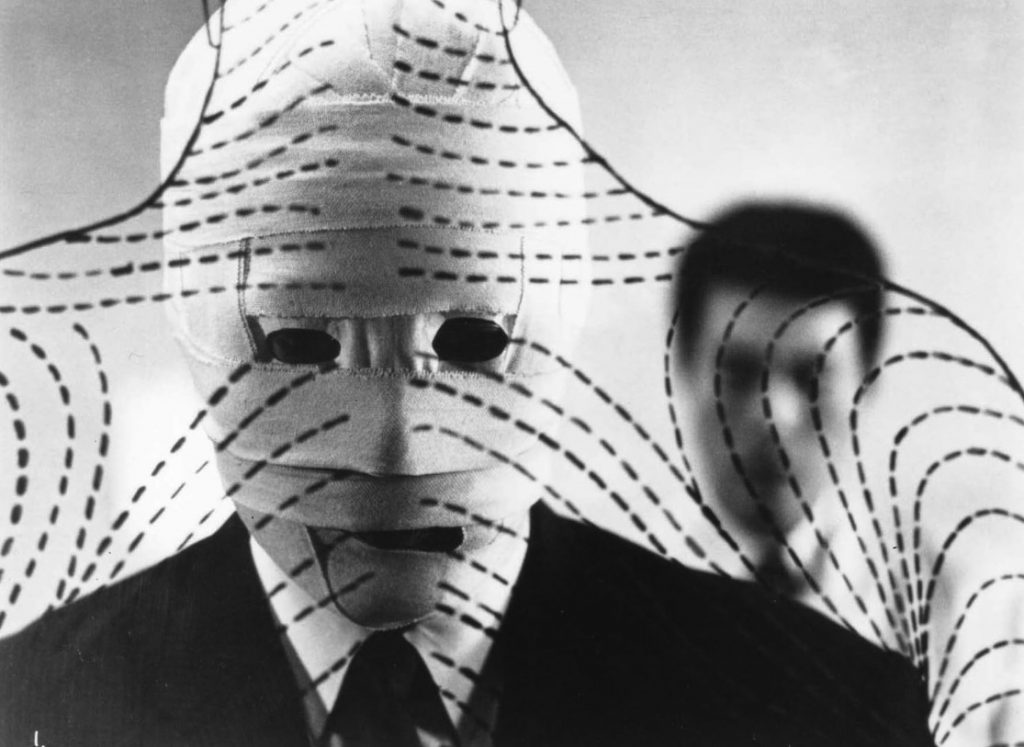
Synopsis: An industrialist disfigured in a lab accident is fitted with a hyper-realistic prosthetic mask by a brilliant surgeon. However, the new face begins to alter his personality, causing him to disconnect from his wife and society as he descends into psychological turmoil.
Where to Watch: Criterion Channel, Amazon (Rent/Buy)
2. Onibaba (1964) – Civil War and Demon Masks
- Director: Kaneto Shindo
- Cast: Nobuko Otowa, Jitsuko Yoshimura
- Runtime: 103 minutes
- IMDb Rating: 7.9/10
Why it Ranked: Directed by Kaneto Shindo, who we talked about a little earlier with the movie Kuroneko. Onibaba is a chilling and atmospheric Japanese period horror drama, set during Japan’s 14th-century civil war, that draws inspiration from Noh theatre. Compared to the jump-scares you might be used to, this is more of a slow-burn psychological battle fuelled by jealousy and desire. It’s hard to deny how truly brilliant the film is; it’s essential viewing for anyone looking to dive into the history of Japanese horror.
Synopsis: During a 14th-century civil war, an older woman and her daughter-in-law survive by murdering lost samurai and selling their gear. Their relationship fractures when a neighbour returns from the war, leading the mother to use a terrifying demon mask to manipulate and scare her daughter-in-law.
Where to Watch: Criterion Channel, HBO Max
1. Kwaidan (1964) – The Visual Zenith of Horror
- Director: Masaki Kobayashi
- Cast: Rentarô Mikuni, Keiko Kishi
- Runtime: 183 minutes
- IMDb Rating: 7.9/10
Why it Ranked: Kwaidan is a breathtakingly crafted anthology based on Lafcadio Hearn’s book of traditional Japanese ghost stories. It stands out as one of the most visually beautiful horror films ever made, even to this day. It isn’t exactly “scary” in a traditional sense; it’s more interested in creating a heavily unnerving atmosphere through gorgeous set design and an incredible score. It is a staple of the genre and acts as the perfect connecting point between old folk tales and new cinema. Perhaps the greatest classic Japanese horror movie of all time.
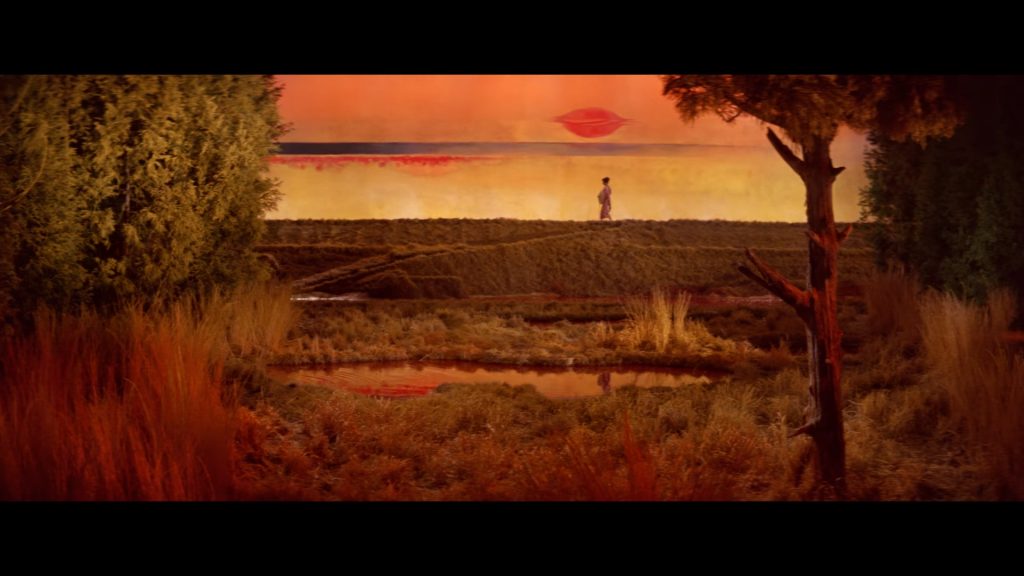
Synopsis: This epic anthology presents four traditional Japanese ghost stories: a man who abandons his wife with tragic results, a woodcutter spared by a snow spirit, a blind musician forced to perform for ghosts, and a writer who sees a mysterious face in his tea.
Where to Watch: Criterion Channel, HBO Max, Amazon (Rent/Buy)
Traditional Nightmares
There we have it – 10 films that prove Japanese horror was doing incredible things long before the Western world took notice in the late 90s. From the visceral damnation of Jigoku to the haunting beauty of Kwaidan, these movies established the themes of vengeance, isolation, and identity that still define the country’s output today.
If you’ve only ever seen the “boom” titles like Ringu or Ju-On, do yourself a favour and dig into these classics. You’ll find a level of artistry and atmosphere that modern horror often struggles to replicate. I’ll be back soon with more deep dives into international horror. Stay spooky.
🇯🇵 Quick Picks: Pre-Boom J-Horror for Your Vibe
- 🏆 The All-Time Masterpiece: Kwaidan (1964)
- 🎭 The Period Dread: Onibaba (1964) or Kuroneko (1968)
- 🕹️ The Resident Evil Influence: Sweet Home (1989)
- 🩸 The Gory Exploitation: Evil Dead Trap (1988) or Jigoku (1960)
- 🎨 The Distressing Art-House: Blind Beast (1969)
More Horror Lists You Will Love
- J-Horror Journey: 10 Essential Japanese Horror Movies to Kick-Start Your Obsession
- 10 Brutal Body Horror Movies From The 2020s – Ranked
- Prepare for Conflict: Ranking the 10 Greatest J-Horror Movies of All Time
- 10 More International Horror Movies Better Than Hollywood
- Beyond the Top 10: 2024’s 10 Biggest Horror Surprises You Need to See